



The Lord Gives A Word
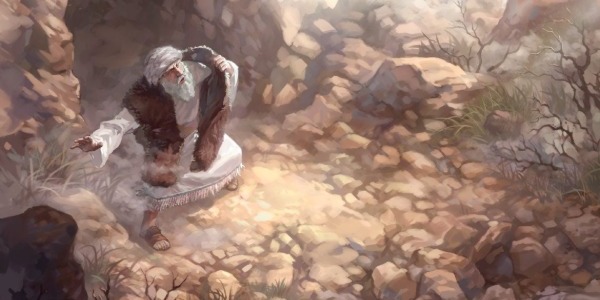
For six long weeks Elijah had walked across the wilderness of Sinai. Finally he reached and began to ascend Mt. Horeb. Elijah was in search of God.
And, according to 1 Kings 19:9 (NKJV), “the word of the Lord came to him, and He said to him, ‘What are you doing here, Elijah?’” Elijah answered with a complaint. I did everything you told me to do, but your people have rejected your covenants and killed your prophets. I’m the only one left in the country, and now they want to kill me too.
Well, the Lord gave Elijah a word. According to verse 12, our Creator spoke to the prophet with a still, small voice. He will speak a word to you as well. Let his Word, living and active, speak to you. Open your Bible and listen.

















虽然疲乏,还是追赶
/in 每日亲近神, 每日亲近神-2026 /by meiling〈士师记〉 8:4 基甸和跟随他的三百人到约旦河过渡,虽然疲乏,还是追赶。
阅读经文:〈士师记〉 8:1-35
住在约旦河东或河西真的有分别吗?想当年住河东的以色列人建了证坛,为了证明耶和华神是真神,也为了让子孙知道他们也是神的选民。但是住在河东的人很快就觉得跟河西的人不怎么搭调,也不大关心发生在他们中间的事情。所以当基甸他们追米甸人过约旦河时,在十分疲乏之际,要求疏割人给他们饼吃时,疏割人的回答 非常冷酷:「西巴和撒慕拿已经在你手里,你使我们将饼给你的军兵吗?」已经完全没有兄弟的情份在里面。西巴和撒慕拿是米甸的二王,也是这次战争的主犯,基甸带军打得十分辛苦,疏割人却觉得那没什么了不起,主将还没抓到,凭什么要帮你?