by Julia Blum

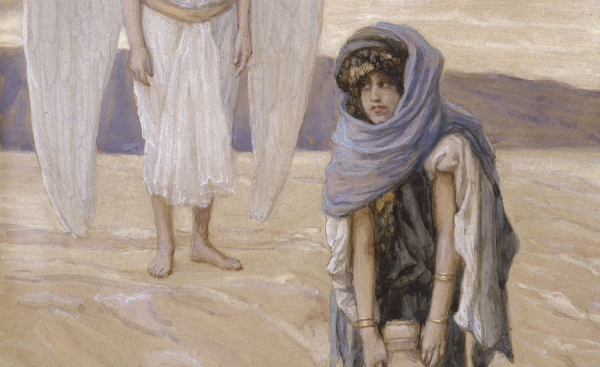
In Genesis 16, Sarah’s slave Hagar has an epiphany and then she does something nobody else in the Scripture does—she gives a name to the Lord Himself, “Then she called the name of the LORD who spoke to her, You-are-the-God-Who-Sees (El-Roi).” Most translations simply transliterate this name and therefore completely lose its incredibly profound meaning. What do we learn from Hebrew here?

Lost in translation
Hagar says, “Have I also here seen Him who sees me?” The translation makes an obvious attempt to present the original Hebrew sentence as comprehensible –if it is translated literally, it says, “I saw after the One (or, the back of the One) who sees me.” This “after” or “back” (acharai, אחרי) is omitted altogether in most English translations: the translators probably weren’t sure about the meaning of this word.
Moses’ experience
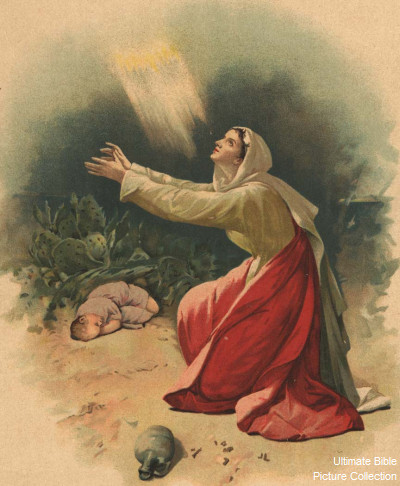
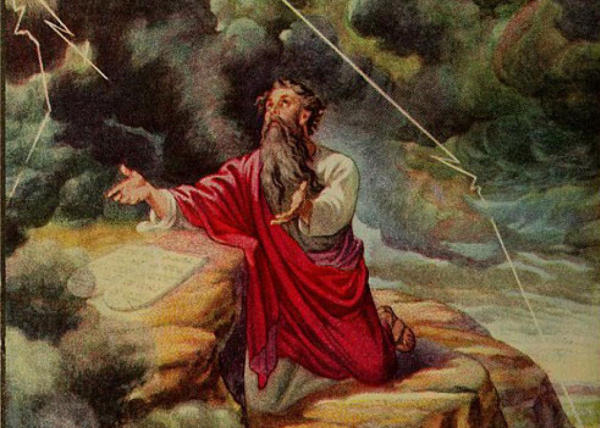
However, later in the Bible we find another example of this same word. In a famous scene from Exodus 33, when Moses asks God to show him His glory, “the LORD said, ‘I will cover you with My hand while I pass by. Then I will take away My hand, and you shall see my back.’” The Torah uses almost the same word that Hagar used, acharai.
Uncover the nuances of the Bible
I believe the very fact that Hagar used the same word that God used while speaking to Moses, is extremely meaningful. Judging by the fact that Moses was a great leader and extremely close to the Lord, we can understand how special this girl was in the Lord’s eyes.