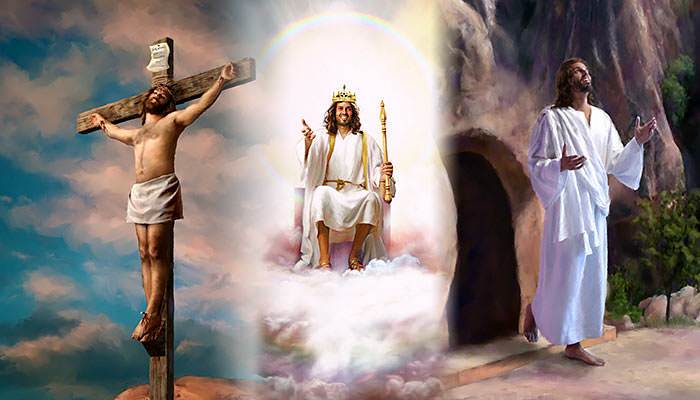
by Israel Institute of B.S.
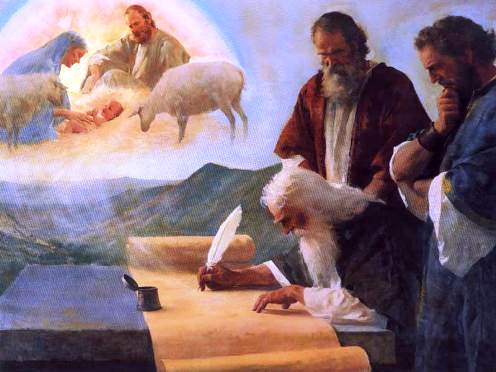
Three thousand years ago, as enemies besieged Jerusalem, threatening to destroy the Temple of King Solomon, a humble prophet tried to reassure the populace. He told them that although the situation was dire, help was on the way: God would send a savior to deliver the people of Israel. He did not describe a majestic king or a valiant warrior. Instead, the coming Messiah would be a far gentler, less physically impressive figure. Who was this prophet?

Isaiah’s Messianic Vision
Although he lived seven hundred years before Christ, the Old Testament prophet, Isaiah, was one of the most accurate forecasters of the arrival of Jesus. Like many of the Hebrew prophets, Isaiah anticipated deliverance at the hands of a Messianic figure. But instead of a powerful king, Isaiah expected the Messiah to be meek, downtrodden, and wounded. He would be so afflicted that he would even take on the sins of all of humanity.
An Exalted Servant
Isaiah refers to this self-sacrificing figure simply as the “Servant of the Lord” or Eved YHWH (עבד יהוה) in the original Hebrew. You might think that “servant” is a disparaging term. On the contrary, in the days of the Bible, the word eved (servant) was a title of enormous honor given by a king to only his most trusted advisor.

Get a True Grasp of the Scriptures
The Hebrew word eved comes from the root ABD (עבד), which means “to work.” While this root has a wide range of interpretations, it always refers to serving someone other than yourself. The savior is no idle monarch; he is a tireless and selfless worker whose exertion on behalf of others is the ultimate act of devotion to the Lord.