
by Israel Institute of Blibiblical Studies
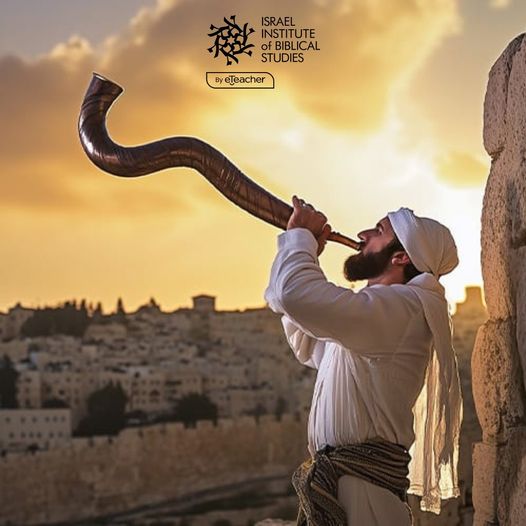
Yom Kippur

In Leviticus 16:30, the Hebrew word for “atonement” doesn’t just mean forgiveness—it suggests a complete obliteration of sins and a restoration to spiritual purity! But that’s not all! The original Hebrew offers even deeper insights.
The Hebrew Bible uses rich language to describe the process of repentance and absolution, particularly in Leviticus 16:30: “כִּי־בַיּוֹם הַזֶּה יְכַפֵּר עֲלֵיכֶם לְטַהֵר אֶתְכֶם מִכֹּל חַטֹּאתֵיכֶם” (ki vayom hazeh yechaper aleichem letaher etchem mikol chatoteichem). While often translated as “For on this day atonement will be made for you, to cleanse you from all your sins,” the original Hebrew offers deeper insights:
- The verb “יְכַפֵּר” (yechaper) is a special verb form that indicates intensive action. This suggests not just covering, but a complete obliteration of sins.
- “לְטַהֵר” (letaher) means “to purify” or “to make clean.” It’s related to “טָהוֹר” (tahor), a state of ritual purity. This implies that atonement isn’t just forgiveness, but a restoration to a state of spiritual cleanliness.
- “חַטֹּאתֵיכֶם” (chatoteichem) comes from the root “חטא” (chet-tet-aleph), which literally means “to miss the mark.” This nuance suggests that sin isn’t just wrongdoing, but a failure to reach one’s full potential in serving God.
These linguistic subtleties paint a picture of Yom Kippur as a day of total spiritual renewal, where one’s slate is wiped clean and the opportunity to realign with divine purpose is granted.
贖罪日
在利未記 16:30 中,希伯來語中的「贖罪」一詞不僅僅意味著寬恕,它還意味著完全消除罪惡並恢復靈性上的純潔!但這還不是全部!希伯來原文提供了更深刻的見解。
希伯來聖經用豐富的語言來描述悔改和赦免的過程,特別是在利未記16:30中:「כִּי־בַיּוֹם הַזֶּה יְכַפֵּר עֲלֵיכֶם לְטַהֵר אֶתְכֶם מִכֹּל חַטֹּאתֵיכֶם」(ki vayom hazeh yechaper aleichem letaher ethem mikol chatoteichem)(希伯來文)。雖然經常被翻譯為“因為在這一天將為你贖罪,洗淨你所有的罪孽”,希伯來語原文則提供了更深刻的見解:
1. 動詞「yechaper」是一種特殊的動詞形式,表示強烈的動作。這不僅意味著遮蓋罪惡,也意味著完全消除罪惡。
2. 「לְטַהֵר」 (letaher) 的意思是「淨化」或「使乾淨」。它與「טָהוֹר」(tahor)有關,一種儀式純潔的狀態。這意味著贖罪不僅是寬恕,而是恢復心靈潔淨的狀態。
3. 「חַטֹּאתֵכֶם」(chatoteichem)源自於字根「חטא」(chet-tet-aleph),字面意思是「未擊中目標」。這種細微差別表明,罪不僅是錯誤的行為,而且是未能充分發揮人服事上帝的潛能。這些語言上的微妙之處描繪了贖罪日的畫面,這是一個完全靈魂更新的日子,一個人的記錄被擦乾淨,並獲得了重新調整神聖目標的機會。