Entries by

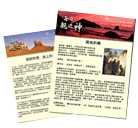
大能的勇士—基甸(1)

士師記六章17節  基甸對他說:「我若在你眼前蒙恩,求你給我一個證據,證明是你在跟我說話。」

今天是以色列人的聖殿被毀日(希伯來語:תשעה באב‎或ט׳ באב‎;Tisha B’Av,意為「埃波月第九日」),是猶太教一年一度的禁食日,紀念耶路撒冷第一聖殿和第二聖殿的被毀。這一天也是為了紀念發生在同一天的其他降臨猶太人的災難,其中包括在公元135年超過50萬猶太人在羅馬被屠殺。 聖殿被毀日被認為是猶太日曆最悲傷的一天。很多猶太人因為發生在以色列的災難,而不能相信有一位耶和華神在眷顧他們。

〈希伯來書〉的作者說:「人非有信,就不能討神的喜悅,因為到神面前來的人必須信有神,並且信祂會賞賜尋求祂的人。(希11:6)」 但是並非每個人都像底波拉一樣,對神有滿滿的信心。當你諸事不順時,你相信世上有神嗎?

當底波拉過世之後,以色列人又遠離耶和華神,轉去拜外邦人的偶像,神就讓米甸人轄制他們。每當以色列人撒種之後,米甸、亞瑪力和東邊的人都上來攻打他們,對着他們安營,毀壞那地的農作物,直到迦薩,沒有給以色列留下食物,牛、羊、驢也沒有留下。那些人帶着他們的牲畜和帳棚上來,像蝗蟲那樣多;人和駱駝無數,都進入境內,毀壞全地。

〈士師記〉第六章形容他們的困苦,為了躲避米甸人,以色列人就在山中挖洞穴,挖洞建營寨。所以當神的使者去看基甸時,他正躲在酒榨那裡打麥子。有一種出土的酒榨,上池約8英尺見方,15英寸深,下方約2英尺處有一個用來承接果汁的較小的池。基甸就是用這種酒榨來打小麥。酒榨是為了要把葡萄榨成汁,所以只需要一個很小的地方;但是打麥子要在空曠的地方,因為需要利用風力將麥糠和麥子分開,才能有最多的收成。在一個不通風的地方打麥子,麥糠會到處飄,連呼吸都不容易。但是基甸沒有辦法,他不敢去外面空曠的地方打麥子,免得被米甸人發現來搶他的糧食。

I Can’t, But Jesus Can

Hi GAMErs,

Today’s passage is Ezekiel 18:21-32. Let’s go!

On verses 21-32: When you read these verses, at first you might find a reason for some humanistic hope, thinking, “Okay, so if I clean up my entire act, turn away from my sins and keep God’s decrees, doing what is just and right, I will have eternal life.” But if you really consciously try to keep all of God’s decrees, you’ll find that there is absolutely no way that you can do it. No matter how hard we try, there is no way we can turn away from “all the sins” we have committed (v21) and keep “all” of God’s decrees (v21), for nobody’s perfect. As much as God does not want us to die and be separated from Him eternally, and as much as we don’t want that either, there is no way we could ever be free of sin by our own strength. What we need is a Saviour who can do what we ourselves can’t do. Praise God for Jesus Christ who lived the perfect life on our behalf and suffered death on the cross for our sins, so that through Jesus Christ we can have eternal life.

These verses also show us repeatedly God’s heart, that while God is just and in His justice needs to punish sin, God takes no pleasure in punishing or destroying anyone for their sin. As verse 32 says, “For I take no pleasure in the death of anyone, declares the Sovereign LORD. Repent and live!” (v32, see also verse 23). Rather God delights in giving people a new start with “a new heart and a new spirit” (v31).

底波拉

箴言 3章 5-6節   你要專心仰賴耶和華、不可倚靠自己的聰明. 在你一切所行的事上、都要認定祂,祂必指引你的路。

在烈陽發威時,突然想起了一位很聰明的女士師兼先知。她喜歡坐在一棵棕樹底下,為百姓排解糾紛。因此大家都稱那棵棕樹是底波拉的棕樹。

在士師管理的時代,以色列人有一個不好的習慣,當他們順利平安時,就去拜外邦人的偶像,耶和華神就任由外邦人欺負他們。當以色列人被欺負得民不聊生時,就會轉向耶和華神祈求。

約書亞過世之後,便是士師的時代。第一個士師是約書亞的女婿俄陀聶,他戰勝了美索不達米亞王古珊‧利薩田,獲得四十年的太平;接著是以笏刺殺了摩押王伊磯倫,以色列太平八十年;以笏之後,有亞拿的兒子珊迦,他用趕牛的棍子打死六百非利士人。底波拉是第四任的士師兼先知。

根據底波拉在〈士師記〉第五章的史詩,她說:「在亞拿之子珊迦的時候,在雅億的日子,大道無人行走,過路人繞道而行。以色列農村荒蕪,空無一人,直到我底波拉興起,興起作以色列之母!」珊迦雖然用趕牛棍打死六百非利士人,獲得一時的平安。但是珊迦沒有帶領以色列人抗敵,也沒有帶領以色列人轉向神。

因此以色列人很快又被迦南人轄制。迦南人把守要道,又四出擄掠,大道不安全,百姓須繞小道而行。「以色列農村荒蕪,空無一人」,因為農村缺乏防衛的條件和力量,並且迦南人時時來搶劫,人們不敢耕種都逃走躲起來,因此田地都荒廢了。田地荒廢就沒有糧食,何等困苦的處境。

Don’t Play the Blame Game

Hi GAMErs,

Today’s passage is Ezekiel 18:1-20. Let’s go!

Ezekiel 18:1-3 (NIV)
1 The word of the LORD came to me:
2 “What do you people mean by quoting this proverb about the land of Israel: “‘The fathers eat sour grapes, and the children’s teeth are set on edge’?
3 “As surely as I live, declares the Sovereign LORD, you will no longer quote this proverb in Israel.

On verses 1-3: In Ezekiel’s day, this was a popular saying among the Israelites: “The fathers eat sour grapes, and the children’s teeth are set on edge” (v2). What did that saying mean and why would the Israelites say it? The Israelites would say this phrase as a way of blaming their ancestors for their current difficulties. When people would ask the Israelites, “Why are you going through such difficulties and suffering right now?” many Israelites would respond by saying, “It’s not my fault. It’s my father’s fault.” Here in chapter 18, God responds to this tendency of many Israelites to blame their problems on their parents.

大衛的人生下半場

歷代志上 29章20節 大衛對全會眾說:「你們應當稱頌耶和華—你們的 神。」

很多人奮鬥了大半生,有很好的成果,但是到了人生的下半場,因為舒坦了,一個不慎就再回頭己百年身。所以有的人把男人的中年階段起了個名字,就是中年危機。

大衛人生的前半場,雖然有點辛苦,但是他活得十分精采,也充滿了神同在的恩典。但是經過了與拔示巴這一段,神恕他死罪,卻難逃活罪。這活罪就是罪帶來的苦果,神的咒詛:1.刀劍必永不離開大衛的家,2.神要從大衛家中興起災禍攻擊大衛;神必在大衛眼前把他的妃嬪賜給他身邊的人,他要在光天化日下與大衛的妃嬪同寢。3. 大衛和拔示巴生的第一個孩子必定要死。

原本和諧安興旺的家,在一夕之間因為大衛的罪而變得危機四伏,殺機重重。第一個應驗的,便是大衛和拔示巴生的第一個孩子死了。接著大衛的長子暗嫰用計姦了同父異母的妹妹她瑪,她瑪的哥哥押沙龍存心報復,殺了暗嫰;後來更蓄意纂位,使大衛不得不逃離耶路撒冷。

大衛逃離耶路撒冷後,在光天化日下與大衛的妃嬪同寢的,便是大衛的兒子押沙龍。當押沙龍去追殺大衛時,因為他的頭髮太多太長,在森林裡被樹枝繞住,就懸掛起來,所騎的騾子便離他而去。約押收到報告,立刻趕去,拿三杆短槍刺透押沙龍的心,把他殺死。這才解了大衛的危機。

God Alone Is Sovereign

Hi GAMErs,

Today’s passage is Ezekiel 17:11-24. Let’s go!

Ezekiel 17:11-14 (NIV)
11 Then the word of the LORD came to me:
12 “Say to this rebellious house, ‘Do you not know what these things mean?’ Say to them: ‘The king of Babylon went to Jerusalem and carried off her king and her nobles, bringing them back with him to Babylon.
13 Then he took a member of the royal family and made a treaty with him, putting him under oath. He also carried away the leading men of the land,
14 so that the kingdom would be brought low, unable to rise again, surviving only by keeping his treaty.

On verses 11-14: After capturing King Jehoichin of Judah and taking him to Babylon, King Nebuchadnezzar of Babylon would appoint Zedekiah, Jehoichin’s uncle (“a member of the royal family” – v13), to stay in Jerusalem and to take Jehoichin’s place as ruler in Judah. Nebuchadnezzar would place Zedekiah under oath and make him sign a treaty promising that he would cooperate with Nebuchadnezzar’s policies.

基督徒該守安息日嗎?

一、我們首先來看聖經中第一次出現安息日的原因和意義:

創世記第一章記載神用六天創造了天地萬物,最後造了有神形像的人,神把人擺在祂所造的萬物當中,神看著非常滿意,說,「甚好。」(創1:31)。於是,「到第七日,神造作的工已經完畢,就在第七日歇了祂一切造作的工,安息了。神賜福給第七日,將其分別為聖,因為在這日神歇了祂一切創造和造作的工,就安息了。」(創2:2~3)

神為何在第七日歇了一切的工,安息了呢?

因為人有了神的形像,將會使祂的榮耀得著彰顯;神的權柄也將要施行,以征服祂的仇敵撒但。只要人彰顯神並對付神的仇敵,神就得著滿足而能安息。後來神在制定十誡時,就為以色列人制定了他們要在第七日記念為安息日。(出20:8∼11。)

因此,安息日不是休息日,而是神在創造時得著人,神滿足了;也在救贖了以色列人作神的子民,要他們記念神為他們所成功的救贖。

二、安息與休息完全不同

人做事會疲累的,累了就需要休息。人以為神作了六天的創造工作,一定也很累了,所以第七天神就需要休息。但是神會累嗎?

詩篇121:4 說,「看哪,保護以色列的,也不打盹,也不睡覺。」

希伯來書1:3說,「用祂大能的話維持、載著並推動萬有。」萬有的運作、維持是不能停頓一時一刻的。神的大能是人想像不到的,完全不需要休息。

Shortcuts Can Be Deceiving

Hi GAMErs,

Today’s passage is Ezekiel 17:1-10.  Let’s go!

Ezekiel 17:1-2 (NIV) 
1  The word of the LORD came to me:
2  “Son of man, set forth an allegory and tell the house of Israel a parable.

On verses 1-2:  Here the Lord gives Ezekiel another picture (also called an allegory or a parable – v2) to tell the house of Israel.  Both in the Old Testament and the New Testament, we see that God loves to use pictures and stories to communicate spiritual truths to His people.  For some reason God made us to be drawn to stories.  Keep this in mind the next time you want to communicate a spiritual truth to others.

Ezekiel 17:3a (NIV)
3  Say to them, ‘This is what the Sovereign LORD says: A great eagle with powerful wings, long feathers and full plumage of varied colors came to Lebanon…

On verses 3a:  Who is this great eagle?  Most scholars agree that the great eagle here symbolizes King Nebuchadnezzar of Babylon who would come to Israel (that is, Lebanon).

大衛和拔示巴

詩篇51篇10節    神啊,求祢為我造清潔的心,使我裏面重新有正直的靈。

皮尤研究中心最近(Pew Research Center)進行一項全球調查發現,在歐洲過半數受訪者認為「沒有上帝都可以成為好人」,在較富裕和人民教育程度較高的國家更認為如此。但是在亞洲及印非國家的調查結果,更同意「上帝使人有良好的道德」。

當諸王還在出戰時,大衛派約押率領臣僕和以色列眾人出去,約押又打了勝仗,大衛高枕無憂,因此夜夜笙歌,睡到太陽平西才起床。太陽平西就是黃昏,有沒有人像大衛王一樣,夜裡不睡,白天睡?這在養生學裡是大大不好的習慣。

大衛在還沒有做全以色列王之前,他有很多問題要解決,有目標要前進,他非常倚靠神,做每件事都要求問神。現在他有了以色列最高的權力,內憂外患都有人管,他開始盡情享受人生,放縱自己。

我覺得大多數人都很像大衛,當我們有努力的目標時,生活裡會比較有節制;一旦擁有了渴望的一切之後,精神就渙散了。在物質享受的領域裡,很快就感到無聊和厭倦,因此慾望就向誘惑打開大門,只求能滿足想要的無底洞。所以「沒有上帝也可以成為好人」,這裡「好人」的標準是什麼?

大衛實在是個「好人」,他有很高的道德標準;在他看到拔示巴之前,所做的每件事都是眾人的模範。但是當「慾望」取代了「上帝」時,他就沒有標準和道德底線了。在社會新聞裡,我們看到很多「好人」做「壞事」。好像最近台灣有個巿長候選人,被人起底她當年的碩士論文有96%是抄襲的。她當然看起來是「好人」,才會去選巿長,可是一選就露底了。這就是人的本相,看起來都像「好人」,其實底子裡一大堆不可告人事。所以富裕和教育程度,不能使人成為神眼中的「好人」。大衛也是在富裕時,成了不好的人。

Jesus Bore Our Disgrace

Hi GAMErs,

Today’s passage is Ezekiel 16:49-63.  Let’s go!

On verses 49-59:  Jerusalem had looked down on Sodom and Samaria as places of great wickedness (v56).  Yet here God says that Jerusalem’s sins have exceeded those of Sodom and Samaria, making those places which were known for their wickedness look righteous compared to Jerusalem.  God tells Jerusalem repeatedly to “bear your disgrace” (v52, 54) because not only did she pridefully judge others, but she proved herself to be a hypocrite and an even worse sinner than the people she judged.  God also tells Jerusalem later to “bear the consequences of your lewdness and detestable practices” (v58).

What can we learn from this?  Have you ever judged someone for doing something wrong, and then you ended up doing the same thing or worse?  That is called pride and hypocrisy.  In response to our pride and hypocrisy, God had every right to make us bear our disgrace and treat us as our sins deserve, just as God would do to Jerusalem.  However, in God’s mercy and love, God would send His Son Jesus to bear our disgrace instead, and to bear the consequences of our sin by dying on a cross.  What an amazing Saviour we have in Jesus, that He would bear our disgrace for us and suffer the consequences in our place.