
Entries by

Heed the Promises

Reading from 1 Kings 18:45-46, “Meanwhile the sky grew black with clouds, the wind rose, a heavy rain started falling and Ahab rode off to Jezreel.  The power of the Lord came on Elijah and…he ran ahead of Ahab all the way to Jezreel” (NIV).

Elijah, the prophet who brought down fire, is now the prophet who brings down rain.  Elijah, the prophet who knelt on Mount Carmel in prayer, becomes the prophet who descends in a flurry.

His action inspires us to do likewise.  Lift up your eyes!  Trust the promises of God.  Apart from them life will beat you up.  But armed with them, you will weather any storm.  How different our lives would be if we heeded the promises and not the problems!
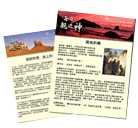
大能的勇士基甸

〈士師記〉 6:12 耶和華的使者向基甸顯現,對他說:「大能的勇士啊,耶和華與你同在!」

閱讀經文:〈士師記〉 6:1-18


基甸的名字意思是「大能的勇士」,基甸覺得自己甚為渺小,但是神有能力使他人如其名。當神的使者找到這位大能的勇士時,他正躲在酒榨那裡打麥子。有一種考古學家挖出土的酒榨,分為上池和下池。上池約8英尺見方,15英寸深,下方約2英尺處有一個用來承接果汁的較小的池。基甸就是用這種酒榨來打小麥。酒榨是為了要把葡萄榨成汁,所以只需要一個很小的地方。但是打麥子通常在空曠的地方,因為需要利用風將麥糠和麥子分開,才能有最多的收成。在一個不通風地方打麥子,那情形必然很窘迫,連呼吸都不容易,因為飛揚的麥粒會到處飄揚。但是基甸沒有辦法,他不敢去外面空曠的地方打麥子,免得被米甸人或其他外邦人發現,就來搶他的糧食。

The Distant Cloud

The promises of God glitter like diamonds on the pages of Scripture. Will we gather them? claim them? delight in them? pursue them? Elijah did. He prayed, not just once, but seven times!

Go and look toward the sea,” he told his servant. And he went up and looked. “There is nothing there,” he said. Seven times Elijah said, “Go back.” The seventh time the servant reported, “A cloud as small as a man’s hand is rising from the sea” (1 Kings 18:43-44). God’s answer came as a cloud the size of a hand. That was enough to excite Elijah.

Faith sees the distant cloud. Faith sees promises as though they were fulfilled. Can you see the hint of an answer to your prayer?

底波拉之歌

〈士師記〉  5: 4 耶和華啊, 祢從西珥出來,由以東地行走,那時地震天漏,雲也落雨。

閱讀經文:〈士師記〉  5:1-31


在許多爭戰之後,每個民族都有不同的記錄方式。亞述人用浮雕,雕刻戰爭的戰況和得勝;以色列人則多用詩歌記錄當時的情形。這首詩歌是底波拉和巴拉一起作的,但有的人把它稱為底波拉之歌。這首詩歌分成六段,每一段都有一個主題。

第一段是讚美耶和華神,因為當神介入這場戰爭時,祂的威嚴無以倫比。那時「地震天漏,雲也落雨」,描寫當時戰爭時的天氣。這天氣和戰事大有關係,因為「地震」,以致基順古河漲溢,把敵軍沖没;因為「天漏」下雨,因此地上泥濘不堪,使敵人的九百輛鐵車在泥中動彈不得,以致夏瑣的大將軍西西拉最後不得不下車奔逃。神怎麼會怕鐵車呢?是以色列人怕,神一點都不怕。再多幾百輛,也讓它變成廢鐵一堆。

The Filter of Faith

Christ followers hear a language that others miss. In 2 Kings chapter 6 we see this truth played out in dramatic fashion. Elijah’s protégé, Elisha, followed in his mentor’s footsteps and upset the powers of the age. The king of Aram decided to take the young prophet out. He sent a kill squad. They surrounded the city by night. It appeared to be the end.

But the man of God saw what his frightened servant could not. “And Elisha prayed, ‘Open his eyes, Lord, so that he may see’” (v. 17). One saw through the filter of fear. The other, the filter of faith. Elisha learned this lesson from Elijah. We’d be wise to do the same.

女先知底波拉

〈士師記〉 4:4   有一位女先知名叫底波拉,是拉比多的妻,當時做以色列的士師。

閱讀 經文:〈士師記〉 4:1-23


有一位牧師說,底波拉的出現,是當時男人的恥辱。我覺得他太言過其實了,那麼柴契爾夫人做英國宰相時,所有的英國男人不都羞愧死了?很多男人沒有辦法接受底波拉是士師的事實,當他們在解釋這段經文時,一定要把將軍巴拉也作為士師加進來。事實上,〈士師記〉的作者寫得很清楚,底波拉是一名女先知,又是當時的士師,而巴拉是一位將軍。所以解釋《聖經》時,若把人的意思放進去,就會變得不必要的複雜。神可以使用「左撇子以笏」,也可以讓珊迦使用趕牛棍打敗非利士人,任何人任何東西,只要神要使用,有什麼不可以呢?女人或男人是否可以服侍神,是在於神的揀選和呼召,而不在於其性別或傳統。

Hear the Voice of God

Immediately after the Mount Carmel experience, Elijah instructed Ahab, “Go, eat and drink, for there is the sound of a heavy rain” (1 Kings 18:41 NIV). But then we read that the sky was cloudless. How do we explain his announcement? I found the answer in the Hebrew word that is translated sound. Elijah was choosing to hear God’s covenant and disregard the circumstances.

The circumstances: the silent sky, the blazing sun, dearth of clouds. The promise of God, the words spoken to Elijah, said, “Pull out your umbrella.” Elijah chose to hear the “voice” of God’s promise.

What about us? Multiple times each day, we choose the message we follow. Are we reeling from the problems, or are we standing on God’s promises?

士師以笏和珊迦

〈士師記〉 3:28a    對他們說:「你們隨我來,因為耶和華已經把你們的仇敵摩押人交在你們手中。」

閱讀經文:〈士師記〉 3:12-31


摩押人是羅得的大女兒和羅得生的後裔,羅得是亞伯拉罕的侄子,以色列人是亞伯拉罕的後裔,所以摩押人和以色列人有親戚關係。他們之間的關係時好時壞,在〈路得記〉裡記載當伯利恒有饑荒時,有的以色列人就跑到摩押地避災;大衛逃難時,也曾把父母放到摩押地去避難。但是在這章裡,摩押人約了亞捫人和亞瑪力人一起去攻打以色列人,占據了棕樹城,也就是耶利哥城。棕樹城是耶利哥城的別名,因為在耶利哥城裡有許多棕樹。

神興起俄陀聶

〈士師記〉 3:9 以色列人呼求耶和華的時候,耶和華就為他們興起一位拯救者救他們,就是迦勒兄弟基納斯的兒子俄陀聶。

閱讀經文: 〈士師記〉 3:1-14

在《聖經》裡,我們處處可看到神的主權和權柄。正如神說的:「你們如今要知道,我,唯有我是神!在我以外並無別神。我使人死,我使人活,我損傷,我也醫治,並無人能從我手中救出來。(申32:39)」神可以幫助以色列人趕出迦南地所有的外邦人,也可以留下幾族不趕出去。看起來似乎是以色列人不遵從神的旨意,缺乏信心;但是作者卻讓我們看見,凡事都有神的旨意。即使人不遵從神的旨意,神也可以使壞事變好事。

Trust the Promise

What tragedy has rendered your life a desert? Has God allowed a season of dryness to come your way? Then learn from the life of Elijah. He trusted the promise despite the predicament.

The predicament? Drought. The promise? It appears in 1 Kings 18:1 (NKJV): “Go, present yourself to Ahab, and I will send rain on the earth.” God had set a limit upon the predicament, and Elijah knew it was just a matter of time before the rain returned.

Do you know the same? “Weeping may last through the night, but joy comes with the morning” (Psalm 30:5 NLT). The Bible never guarantees the absence of a drought, but it emphatically assures that the drought will not end in eternal defeat.