Here in chapter 40 we come to one of the most beloved chapters in all of Isaiah. Some early church fathers (like Eusebius of Caesarea, Ephrem of Syria and Cyril of Alexandria) seem to have interpreted Isaiah 40 as an immediate response to Isaiah 39 where Hezekiah unwittingly reveals his nation’s top secrets to the Babylonians. This would have happened before 701 B.C. However, in the more recent centuries, Christian commentators have interpreted Isaiah 40-55 to be Isaiah talking about a much later event in the future, namely, the time from about 580 to 540 B.C. when the Jewish people were exiles in Babylon and how one day God was going to bring them back to their homeland of Judah. I will approach Isaiah 40 with this Babylonian exile in mind as the historical background for these verses. With this approach, I think you’ll find that, like a flower blooming, Isaiah 40 opens up in some beautiful and powerful ways.
https://ocbf.ca/2019/wp-content/uploads/2023/03/23-0321.jpg300600meilinghttps://ocbf.ca/2019/wp-content/uploads/2018/12/greenlogo-1.pngmeiling2023-03-20 22:00:002023-03-14 17:00:03Let the King of Glory Come In
Isaiah 39:1 (NIV)
1 At that time Merodach-Baladan son of Baladan king of Babylon sent Hezekiah letters and a gift, because he had heard of his illness and recovery.
On verse 1: “At that time” refers to the time when Hezekiah miraculously recovered from his life-threatening sickness. According to the New American Commentary, Merodach-Baladon II was ruler of Babylon until 703 B.C. when Assyria’s King Sennacherib ousted him from power. This, together with Isaiah 38:6, tells us that the events described in Isaiah 38 and here in Isaiah 39 happened before God delivered Jerusalem from Assyria in 701 B.C. But why would Isaiah order these events this way? Why talk about God delivering Jerusalem from Assyria first in Isaiah 36-37 and then flashback to the earlier events of Hezekiah’s recovery from illness and the Babylonians’ visit to Hezekiah in Isaiah 38 and 39? Scholars have posited many different theories, but the most important reason I believe is that Isaiah is trying to show that this Messiah that Isaiah 1-35 have been talking about is not Hezekiah but someone else. So rather than end on a note of tremendous victory for Hezekiah, Isaiah ends his account of Hezekiah’s life by talking about his weakness in Isaiah 38 as well as a major mistake that Hezekiah makes here in Isaiah 39. Let’s see what that mistake was.
https://ocbf.ca/2019/wp-content/uploads/2023/03/23-0320.jpg300600meilinghttps://ocbf.ca/2019/wp-content/uploads/2018/12/greenlogo-1.pngmeiling2023-03-19 22:49:052023-03-14 16:54:47The Hero of Your Story
There are so many powerful lessons we can learn from today’s passage in Isaiah 38. Let’s go!
Isaiah 38:1-2 (NIV)
1 In those days Hezekiah became ill and was at the point of death. The prophet Isaiah son of Amoz went to him and said, “This is what the LORD says: Put your house in order, because you are going to die; you will not recover.”
2 Hezekiah turned his face to the wall and prayed to the LORD,
On verses 1-2: After receiving some grim news that he will soon die, Hezekiah turns his face to the wall and prays to the LORD. You may be facing a wall right now as well, but you can pray to the LORD who is greater than that wall you are facing.
https://ocbf.ca/2019/wp-content/uploads/2023/03/23-0318.jpg300600meilinghttps://ocbf.ca/2019/wp-content/uploads/2018/12/greenlogo-1.pngmeiling2023-03-17 22:00:482023-03-07 21:40:19Are You Facing A Wall?
There are so many lessons we can learn from today’s passage, Isaiah 37:8-38. Let’s go!
Isaiah 37:8-13 (NIV)
8 When the field commander heard that the king of Assyria had left Lachish, he withdrew and found the king fighting against Libnah.
9 Now Sennacherib received a report that Tirhakah, the Cushite king [of Egypt], was marching out to fight against him. When he heard it, he sent messengers to Hezekiah with this word:
On verses 8-13: More trash talking from Assyria, this time from King Sennacherib personally. Sennacherib’s message is similar to tone to that of his field commander in chapter 36, except that instead of bringing up four points to shake Hezekiah’s confidence, Sennacherib focuses on one point: he tells Hezekiah, “do not let the god you depend on deceive you”. In other words, Sennacherib goes one step further than the field commander by directly attacking the God that Hezekiah worships. Sennacherib accuses the LORD of deceiving Hezekiah into thinking that Hezekiah can get out of this alive. As we will see, God will take issue with Sennacherib’s pride-fueled blasphemy.
https://ocbf.ca/2019/wp-content/uploads/2023/03/23-0317.jpg300600meilinghttps://ocbf.ca/2019/wp-content/uploads/2018/12/greenlogo-1.pngmeiling2023-03-16 22:00:422023-03-07 21:36:34God Did It All
哈博森是一名大器晚成的聖詩詩人。她年輕時的主要興趣只在於唱歌;23歲那年當慕迪佈道團來訪時,她還曾經上臺和大名鼎鼎的聖樂家桑基(Ara D.Sankey)一起合唱過敬拜詩歌,並為他抄寫過不少聖詩曲譜。就在那時,她心裏曾經一度產生過創作詩歌的意願;可是到她真正開始創作時已經到了40歲的中年時光。1901年她在生病期間寫下了第一首英文讚美詩“Apart with Him”,從此踏上了詩人之路 。
因為哈博森是穆迪和桑基的舊識緣故,當1905年托瑞和亞曆山大來到英國巡迴宣教時就邀請她與團隊同行,專門為他們創作詩歌。此後每到托瑞舉辦佈道會時,哈博森都會全神貫注地在台下傾聽,然後再把她心中對講道的感動寫成相應的詩歌。她先後為團隊寫了200多首讚美詩歌,其中就包括這首《主必保守我》 (He Will Hold Me Fast)。
不久宣教團隊從加拿大返回到美國。那日他們正準備前往費城“军械库”(Philadephia Ordnance Deport)會議廳舉辦布道會,哈克尼斯收到了哈博森應他請求寫成的一首詩。當他打開來信,剛讀到“主必保守我”(He will hold me fast)的歌名時,靈感和旋律就立刻開始在他脑海裏浮現。接著他一口氣成了詩歌主譜和副歌的創作,並在當晚就在有四千人參加的會上獻唱了這首詩歌。一首經典詩歌就這樣誕生了。
哈博森所寫的這首《主必保守我》詩歌其英文原名叫“He will hold me fast”。這位女詩人之所以取這個歌名是為了回應哈克尼斯來信中所引述的那位多倫多初信者“難以堅持下去”的擔憂,英文就是“He would not be able to hold out”。兩者的句子中都用了“Hold”這個動詞,而這個詞的中文含義有“堅持、持有、抓住、抱住、托住、支撐、攙扶”等多種意思。因此,我們也可以將這首詩歌直譯成“主願意緊緊 ‘抱住我’”,或“主願意迅速‘托住我’,以及“主願意立刻來‘攙扶我’”。



 詞曲作者
詞曲作者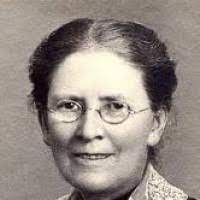 哈博森是一名大器晚成的聖詩詩人。她年輕時的主要興趣只在於唱歌;23歲那年當慕迪佈道團來訪時,她還曾經上臺和大名鼎鼎的聖樂家桑基(Ara D.Sankey)一起合唱過敬拜詩歌,並為他抄寫過不少聖詩曲譜。就在那時,她心裏曾經一度產生過創作詩歌的意願;可是到她真正開始創作時已經到了40歲的中年時光。1901年她在生病期間寫下了第一首英文讚美詩“Apart with Him”,從此踏上了詩人之路 。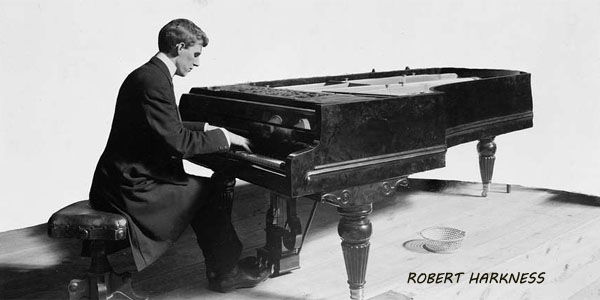

 “一曲兩歌”
 “一歌兩調”
 结束的话
结束的话