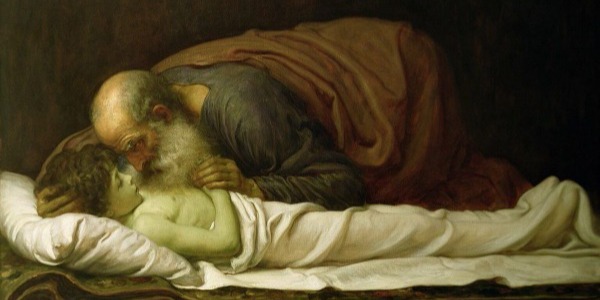
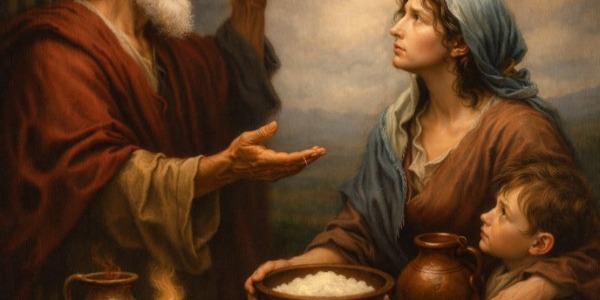
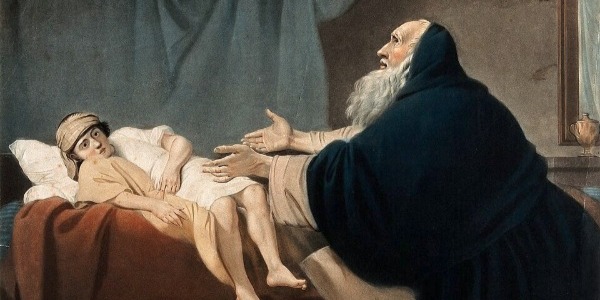
When the son of his friend died, “Elijah stretched himself out on the child three times, and cried out to the Lord and said, ‘O Lord my God, I pray, let this child’s soul come back to him’” (1 Kings 17:21 NKJV). Elijah had no precedent upon which to base this prayer. Up to this point in Scripture, no person had been brought back to life. He did this because he believed in a living God.
There are occasions in which we rest in prayer. There are other occasions in which we wrestle in prayer. Elijah wrestled. Elijah did first what mattered most: he prayed…passionately, dramatically, thunderously. Let’s do likewise. Let’s heed the command of Scripture: “So let us come boldly to the throne of our gracious God…” (Hebrews 4:16 NLT).
https://ocbf.ca/2019/wp-content/uploads/2026/08/260831_1.jpg300600meilinghttps://ocbf.ca/2019/wp-content/uploads/2018/12/greenlogo-1.pngmeiling2026-08-31 14:54:152026-08-31 15:01:49Wrestle in Prayer
“Some time later the son of the woman who owned the house became ill. He grew worse and worse and finally stopped breathing…Elijah lay on top of the boy three times. He prayed to the Lord, ‘Lord my God, let this boy live again!’” (1 Kings 17:17, 21). The Lord answered Elijah’s prayer, the boy began breathing again, and was alive.
What if Elijah holding the dead boy is a picture of you and me in the midst of a sick society? Did you know that nine out of ten young people in Great Britain believe that life has no meaning? What happens when ninety percent of a generation find no reason to live? Anxiety, anger, depression, despair, suicide. We, like Elijah, have been handed a corpse. Elijah shows us what to do. Prayer was his strategy for the tragedy.
https://ocbf.ca/2019/wp-content/uploads/2026/08/260829_1.jpg300600meilinghttps://ocbf.ca/2019/wp-content/uploads/2018/12/greenlogo-1.pngmeiling2026-08-28 22:00:072026-08-24 15:30:53The Strategy for the Tragedy
No verse in the Bible promises the absence of struggle. Quite the contrary. Scripture is stained with tears, problems, injustices, immorality, and wars. Tough times come with life. But troubling times don’t have to take the life out of your life.
God gives us this invitation: “Pray it through.” It is what troubles you, fatigues you, shames you. It won’t have the last word. God will. Prayer slaps handcuffs on the culprit. Prayer marches the problem into the presence of God, the One who can solve it.
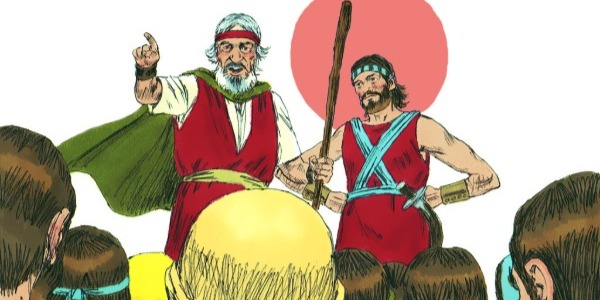
The prophet Elijah is remembered as an example of radical prayer. He is living proof that “when a believing person prays, great things happen” (James 5:16 NCV).
https://ocbf.ca/2019/wp-content/uploads/2026/08/260828_1.jpg300600meilinghttps://ocbf.ca/2019/wp-content/uploads/2018/12/greenlogo-1.pngmeiling2026-08-27 22:00:212026-08-24 15:25:45Pray It Through
We’d prefer to fill a storehouse with a lifetime’s worth of courage, cash, and convictions. Yet God wants us to trust him day by day. Elijah’s word to the widow is God’s word to us: “The jar of flour will not be used up and the jug of oil will not run dry” (1 Kings 17:14 NIV). Elijah spoke to her with faith; she responded in faith. She turned and obeyed.
In order to swim upstream in a downstream culture, we, like the widow, have to make a choice. Will we obey God? When you are weary, God is your strength. Lonely, God is your friend. Weak, God is your provider. Fortitude follows faithful obedience. Do what the widow did. Go to the kitchen, empty the jar of oil and flour, trust. The God who filled it today will fill it again tomorrow.
那天他跟隨父親前往哈雷附近的魏森費爾斯新奧古斯堡宮(Schloss Neu‑Augustusburg)。那是德意志諸侯約翰·阿道夫一世(Johann Adolf I, Duke of Saxe‑Weissenfels)所住的宮廷,而亨德爾的父親就是公爵的專屬御醫(Leibchirurgus)與隨侍理髮師(Kammerdiener)。憑藉這層人脈,他順利將長子卡爾送入宮廷任職,成為公爵的侍從;這次去宮廷就是去探望兒子。(參見 A Dictionary of Music and Musicians 的 “Handel” 條目)
第一次來到這座雄偉建築物的亨德爾滿懷好奇心到處溜達,無意中走進了宮廷教堂,正好遇到樂隊在排練。沒想到有人注意到他對那架碩大的管風琴特別感興趣,竟然讓他上去彈奏一番。美妙的琴聲頓時傳到公爵耳裡。當他了解了眼前這個男孩對音樂的癡迷之後,當即召來亨德爾的父親,指令他必須讓這孩子去接受專業的音樂訓練。(參見魏森費爾斯新奧古斯堡宮博物館資料,以及John Mainwaring, Memoirs of the Life of the Late George Frederic Handel, 1760, p. 2)
因為這個緣故,父親不得不把亨德爾送到當地聖母教堂的音樂總監及作曲家查霍(F. W. Zachow)的門下,去學習管風琴及其他各類器樂的演奏技巧。查霍在悉心指導他演奏技巧的同時,看到了他身上潛在的創作天賦,又教他如何作曲;並拿出自己收藏的各種名家曲譜,要求他每週模仿一位名人的風格去完成一首創作。在這位嚴師的盡心指導下,少年亨德爾的才華得以全面綻放,奠定了他在器樂演奏與曲譜創作上的堅實功底。
1704 年 12 月 5 日,馬特松創作的歌劇《埃及女王克利奧帕特拉》(Cleopatra, Queen of Egypt)先於亨德爾的作品在劇院上演。按照慣例,作品的主創者有權指揮自己的作品;因此那天他在舞台上唱完自己的角色後就回到樂池,準備繼續他的指揮職責。然而此時只是作為臨時替代他的亨德爾居然不肯交出手中的指揮棒。兩個血氣方剛的年輕人為此各不相讓,最後竟然為此前往劇院廣場去決鬥。
在接下來這場拔劍相爭的過程中,從小就學過劍術的馬特松很快就佔了上風,一下子用劍鋒刺中了亨德爾的胸膛,但卻正好被他衣服上的一枚金屬紐扣擋住而彈開,未造成任何傷害(參見 Donald Burrows, Handel, Oxford University Press, 1994, p. 38)。這一奇跡不但使兩人當即停止了決鬥,還讓他們就此冰釋前嫌,從此成為互相鼓勵的終身摯友。多年後,正是這位馬特松以知名傳記作家的身份,記錄下亨德爾在漢堡的種種經歷,為後世留下了珍貴的第一手史料。
奧托博尼不僅給予亨德爾機會,更爲他提供了重要的聽衆,包括羅馬貴族、各級主教、外國使節,以及各國政界與文化界的名流等。正是在這裡,亨德爾指揮了他創作的兩部新劇:《時間與幻滅的勝利》(Il Trionfo del Tempo e del Disinganno)與《復活》(La Resurrezione),使他的作品第一次被整個歐洲所聽見。
1713 年期間,亨德爾為王室創作的多部歌劇大獲成功,特別是其中的《烏得勒支感恩讚》(Utrecht Te Deum)、《女王生日頌歌》(Birthday Ode for Queen Anne)等作品深受安妮女王喜愛。為此女王特地賞賜他等同於英國皇家宮廷最高等級樂官的薪資待遇,每年 200 英鎊的年金。這一禮遇既標誌著王室作為國家層面對他的高度認可,也為他在英國的長期定居提供了必要的經濟條件。
然而命運的轉折來得如此猝不及防。就在他獲得年金的第二年八月,安妮女王突然駕崩。按《1701 年王位繼承法》(Act of Settlement 1701)規定,王位必須由斯圖亞特王朝開創者詹姆斯一世後裔中的新教信奉者繼承;而此時安妮的子嗣皆已凋零,她的兄弟姐妹或已早逝,或因信奉天主教而被排除在選擇之外。於是繼承的順位一路延伸至早已嫁到外國的詹姆斯一世外孫女索菲亞(Sophia )一系,而索菲亞本人正好又在安妮女王駕崩數週前去世,因而王位繼承人最終就落到她的長子身上。而這位長子就是漢諾威的喬治·路德維希。作為選帝侯的他,一生沒有等到做成神聖羅馬帝國皇帝的機會,卻如此機緣巧合地入主英倫,於 1714 年登基成為英王喬治一世。
財務層面的窘境同樣壓得他喘不過氣。由他運營的劇院前幾年已經倒閉了至少三家,剩下的也因常年虧損,累積了巨額債務;為此他甚至有隨時被投入債務人監獄的風險。他個人的生活也潦倒到不得不把他早年創作的歌劇《羅德琳達》(Rodelinda)手稿拿去抵押的地步。一位好心卻頭腦簡單的朋友,特地為此向《倫敦每日郵報》投遞匿名信,試圖通過發起公眾募捐來幫扶亨德爾,但沒想到此舉反而對亨德爾本已脆弱的自尊心造成 “最為殘忍的一擊”(the most cruel blow of all),讓他無地自容。(引自Romain Rolland 所寫的亨德爾傳記,P96 )
1741 年上半年剛過,當他得知亨德爾對今後的演出至今毫無準備之後,就將自己寫的一部劇本寄給亨德爾,希望他為此譜曲,以便能在來年的復活節受難周期間上演。在給朋友的一封信中他這樣寫道:「我希望他能傾其全部天才與技藝於這部作品,使之超越他此前的一切創作。」(參見英國學者 Charles Jennens 在其研究亨德爾專著中引用的詹寧斯信件:theletter to Edward Holdsworth, 10 July 1741)
接下來的二十四個日夜,他一直被超越他自身的巨大能量所充滿,幾乎一步都不曾離開過房間,甚至寫到廢寢忘食。至 9 月 14 日,一部總譜長達 260 多頁的曲譜巨作終於從試煉的爐火中淬煉而出。在作品最後一頁的空白處,他慎重寫下了「SDG」三個字母;它是拉丁文「Soli Deo Gloria」的縮寫,意思是「榮耀唯獨歸於上帝!」
亨德爾從未向世人講述過那些日子的經歷。世上唯一留存的記載,也隻是來自一部後人傳記中所引述的僕人回憶:當亨德爾寫到《哈利路亞》大合唱時,僕人在門外聽到他大聲呼喊:「我確信真的看到整個天堂展現在我面前,並目睹了至高上帝親自向我顯現!」(“I did think I did see all heaven before me, and the great God himself.”—— 引自 Laetitia Matilda Hawkins, Anecdotes, Biographical Sketches and Memoirs, vol. 1, 1822;中文為筆者自譯)
當地“都柏林日報”(Dublin Journal)記者喬治·福克納(George Faulkner)特別報道了這次演出,稱該劇是「最臻於完美的音樂傑作」(the most finished piece of Musick.);「其崇高、雄壯和柔美的音樂與至極爲高雅、莊嚴、感人的歌詞互相交融,共同使聽衆的心靈與聽覺陶醉其中,爲之傾倒。」(The Grand, and the Tender, adapted to the most elevated, majestic and moving Words, conspired to transport and charm the ravished Heart and Ear.中文為筆者自譯)
接著我們再通過這首大合唱在整部《彌賽亞》劇中特定的編排位置來看它開篇起唱的特點。《彌賽亞》全劇共有 53 個樂段(movement),分成三個主題部分(part)。前面一、二部分呈現的是從彌賽亞的預言到基督的誕生,以及耶穌的受難、復活與得勝的內容;後面的第三部分則是轉入頌讚未來信徒的復活和天國的榮耀。而《哈利路亞》作為第44個樂段,被編排在第二部分的最後一首。在它之前的是男高音詠嘆調《你必用鐵杖打破他們》(Thou shalt break them with a rod of iron);該經文最早出自舊約聖經「詩篇」2章9節對彌賽亞的預言,到新約的「啟示錄」則被反復引用到對主耶穌已經掌管權柄、轄制萬國的宣告。(啟示錄2:27、12:5、19:15)
如果說開場「哈利路亞」的八小節是萬眾同心發出的震撼歡呼,那麼接下來更令人驚嘆的,是亨德爾對後面核心樂段的編曲處理。在「全能者作王了」(For the Lord God Omnipotent reigneth)和「祂必做王直到永永遠遠」(And He shall reign for ever and ever)的兩個樂段中,他使用了「複調織體」作曲技法中極為嚴密的「賦格」構造,使男女聲四聲部通過相繼進入、模仿、對位、追逐及層層展開,錯落有致地輪番唱出相關樂句;各聲部的旋律線既彼此獨立,又在和聲關係中相互緊密結合,彼此交織,段落之間不時穿插著短促的「哈利路亞」及「直到永遠」,以此來銜接各聲部模仿與對位的動態和節奏,使所有樂句如同生生不息、層層湧來的波濤海浪,不斷推動著旋律的起伏和擴張,從而營造出極為恢弘而富有立體感的聲樂效果,也完美地呈現了天上地下、萬國萬民從四面八方相繼匯聚而來,此唱彼和,共同歡呼宣告基督永恆王權的宏大意象!
進入到尾聲的「萬王之王、萬主之主」(King of Kings, and Lord of Lords)樂段,亨德爾刻意放棄了前段的複調賦格技法,轉為使用「主調織體」來彰顯主題,同時也為全曲的終結做好聲樂鋪墊。在該樂段中,女高音聲部成了「一枝獨秀」的主角,在「王之王、主之主」的反覆詠唱中不斷向更高音區攀升,直至抵達聲樂表現的極致音域;而其餘各聲部則化作厚重的和聲陪伴,使女高音的旋律線條表現得更為突出、明亮,更具有震撼人心的穿透力。最終在弦樂與定音鼓的密集加持中,所有體聲部再次匯聚為排山倒海的合唱洪流,在「哈利路亞」至高、永恆的讚美聲中結束了全曲。
上述理论中的「複調織體」(polyphonic texture)与「主調織體」(homophonic texture)等技法,是以歌剧为代表的巴洛克时代的重要音乐产物。亨德爾在年少时期,便師从他的启蒙老师查科(F. W. Zachow),系统地研习了这些作曲方法;而在意大利和英國居住期间,他又通過大量的艺术创作实践,不断對這些技法予以進一步的完善和創新。正因如此,他才能夠在清唱劇《彌賽亞》的創作中写下《哈利路亚》这首经典大合唱,使其成为巴洛克时代音乐作品中难以被超越的巅峰之作。


 Read more