
Entries by

What to Look for in a Leader

Hi GAMErs,

Today’s passage is Titus 1:1-9.  Let’s go!

Titus 1:1 (NIV) 
1  Paul, a servant of God and an apostle of Jesus Christ for the faith of God’s elect and the knowledge of the truth that leads to godliness–

On verse 1:  God’s truth is not just something God wants you to know for the sake of gaining more knowledge or for mere academic reasons.  Rather, knowing God’s truth is meant to lead to godliness.   God’s truth is not just informational; it’s transformational.  It is there not just to inform you, but to transform your heart, your mind and your behavior, to make you more like Christ.

Titus 1:2 (NIV) 
2  a faith and knowledge resting on the hope of eternal life, which God, who does not lie, promised before the beginning of time,

On verse 2:  God’s intention has always been that we His creation would experience the hope of eternal life.  So before the beginning of time, Paul says, God made a promise to make eternal life available to humankind.  Also in this verse Paul affirms that God does not lie; in other words, you can count on God to tell the truth and to keep His promises.
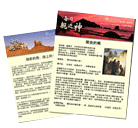
猶大王約阿施

〈列王紀〉下 12:2 約阿施在祭司耶何耶大教訓他的時候,就行耶和華眼中看為正的事。

閱讀經文:〈列王紀〉下  12:1-21

猶大王:羅波安→亞比央→亞撒→約沙法→約蘭→亞哈謝→(亞她利雅)→約阿施→亞瑪謝

以色列王:耶羅波安(一世)→拿答→巴沙→以拉→心利→暗利→亞哈→亞哈謝→約蘭→耶戶

今天我們要讀到一個忘恩負義的王,其實就是一個忘恩負義的人。這個猶大王約阿施,《聖經》給了他一句評語:“約阿施在祭司耶何耶大教訓他的時候,就行耶和華眼中看為正的事”。這句話引人思想,那麼當耶和耶大不在的時候,他是一個怎樣的人呢?耶和耶大用盡心血去教育約阿施,所以當耶和大在的時候,他行眼和華眼中看為正的事,例如修理聖殿。

從所羅門建殿(約主前966年完工)到約阿施(約主前818年)已經超過140年,不管再怎樣堅固的建築,過了140年也會有許多地方需要整修。尤其是在亞她利雅執政時,她不但不尊重神,而且容許她的眾子拆毀神的殿,又用聖殿中分別為聖的物供奉巴力(代下24:7)。約阿施從小住在聖殿中,對聖殿的修護非常在心。因此要求祭司拿各方面收到的銀子,去修理殿的一切破壞之處。

沒想到光陰似箭,到了約阿施廿三年,也就是約阿施卅歲時,竟然還沒有動工。這次約阿施改變了籌款的方式,讓祭司耶何耶大取了一個櫃子,在櫃蓋上鑽了一個窟窿,放於壇旁,在進耶和華殿的右邊,這個櫃子裡收到的錢就拿來修理聖殿。這下子工程就得以開始進行。因為以前收錢的指示太模糊,哪部份要修殿,哪部份歸祭司都沒弄清楚,現在大家都清楚了,便“交給耶和華殿里辦事的人,他們就雇了石匠、木匠重修耶和華的殿,又雇了鐵匠、銅匠修理耶和華的殿。” 唯有贖愆祭、贖罪祭的銀子都歸祭司。

He Put Himself on the Line for You

Hi GAMErs,

Today’s passage is Philemon 1:17-25.  Let’s go!

Philemon 1:17-19 (NIV) 
17  So if you consider me a partner, welcome him as you would welcome me. 
18  If he has done you any wrong or owes you anything, charge it to me. 
19  I, Paul, am writing this with my own hand. I will pay it back–not to mention that you owe me your very self.

On verses 17-19:  Earlier in verses 8 to 16 we saw Paul acting as a mediator between Philemon and Onesimus, trying to help Philemon and Onesimus reconcile with one another.  But here in these verses we see Paul going beyond what a typical mediator would do.  For while a mediator’s role is help two warring sides reach an agreement, a mediator normally does not sacrifice himself just so that the two sides can reconcile.  But that’s what Paul does.  Paul writes in verses 17-18, “So if you consider me a partner, welcome him as you would welcome me.  If he has done you any wrong or owes you anything, charge it to me.” To emphasize how serious he is about this, Paul even takes his secretary Timothy’s pen and writes these words himself on the scroll: “I will pay it back” (v19).  

What is Paul doing?  He’s putting himself on the line, sacrificing his own reputation and financial well-being, all so that Philemon would forgive Onesimus and take him back.

Your Gentle Mediator is Jesus

Hi GAMErs,

Today’s passage is Philemon 1:8-16.  Let’s go!

Philemon 1:8-9 (NIV) 
8  Therefore, although in Christ I could be bold and order you to do what you ought to do, 
9  yet I appeal to you on the basis of love. I then, as Paul–an old man and now also a prisoner of Christ Jesus–

On verses 8-9:  Paul had a special role in Philemon’s life.  For one, Paul was the one whom God used to lead Philemon to Christ (v19).  In this way Paul was like a spiritual father to Philemon.  Not only that, Paul’s disciple Epaphras was the one who started the church in Colosse that met in Philemon’s home and so, like a spiritual grandfather to the Colossian Christians, Paul’s words carried special weight.  Yet instead of throwing his weight around and using his rights and authority to order Philemon to do what he should do (v8), Paul appeals to Philemon gently and meekly “on the basis of love” (v9) – not as an authoritarian apostle, but as “an old man” and as “a prisoner of Christ Jesus” (v9).   From this I learn an important lesson:

亞她利雅篡位和被殺

〈列王紀〉下 11:17 耶何耶大使王和民與耶和華立約,做耶和華的民,又使王與民立約。

閱讀經文:〈列王紀〉下  11:1-21

這是南國猶大的「武則天」發動政變。猶大王亞哈謝去耶斯列探望受傷的舅父以色列王約蘭,不料被約戶一併殺死了。跟亞哈謝同去的猶大國的王子們,也通通被殺死。留在猶大國的太后亞她利雅,亞哈謝的母親知道此事後,並沒有痛哭流涕,反而覺得機會到了,就起來剿滅王室(destroyed all the royal heirs),也就是把王室裡一切有權繼承王位的後裔全部殺死。但是她不知道,有一位在上的神不會讓她的心意得逞。因為猶大國的王位,神定意留給大衛的後裔。

亞哈謝有個小兒子還是個一歲的嬰兒,被他的姑姑和姑丈救了。因為他的姑丈耶和耶大是當時的祭司,所以他們把幼小的約阿施和乳母藏在耶和華的殿裡,一藏就是六年。亞她利雅是亞哈的女兒,她和她的父母親亞哈和耶洗別一樣,拜巴力和亞舍拉。想當然也不會去聖殿裡敬拜神,所以藏在聖殿裡最安全。

過了六年,施阿施七歲了,耶和耶大和約示巴都覺得應該讓小王子出來了,要讓大家都知道亞哈謝的兒子還活著。因此他召集了一些軍長、族長和利未人等,到聖殿裡與王立約,並且安排了各處守門的和保衛王的人。在安息日出班即休班,原本有三分之二的侍在安息日可以休息,但是這一回,耶和耶大不許他們下班,要他們把守聖殿;另外當值的三分之一也要全部把守聖殿。約阿施出入時,也一定要有人跟隨保護他。然後大家聚集在聖殿裡為約阿施加冕,將律法書交給他,膏他做王。

If You Love That Person, Do THIS Before You Challenge or Criticize Them

Hi GAMErs,

Today we begin the book of Philemon, a letter Paul wrote during his first imprisonment in Rome between 61 to 63 AD (imprisoned for preaching the gospel).  Here is some background that you might find helpful:

· Paul wrote this letter to a man called Philemon.  Who was Philemon?  Philemon lived in the city of Colosse and came to faith in Christ through the ministry of Paul (v19).  Later on Philemon would open up his home for the church in Colosse to use as their meeting place.  The fact that Philemon had a home large enough to host a church and owned slaves like Onesimus suggests that Philemon was wealthy.

· Paul’s reason for writing Philemon personally is because one of Philemon’s slaves, called Onesimus, had stolen something from Philemon, ran away, only to meet Paul in Rome and become a Christian under his ministry.  Onesimus becomes useful to Paul’s ministry, but Paul thinks it is best to send Onesimus back to Philemon, encouraging Philemon to forgive his former slave and take him in again.

From this short letter we can learn some powerful lessons on communication, forgiveness, the greatness of what Christ has done for us, and the kind of lives God calls us to live. 

Today’s passage is Philemon 1:1-7.  Let’s go!

Philemon 1:1-7 (NIV)
1  Paul, a prisoner of Christ Jesus, and Timothy our brother, To Philemon our dear friend and fellow worker,
2  to Apphia our sister, to Archippus our fellow soldier and to the church that meets in your home:
3  Grace to you and peace from God our Father and the Lord Jesus Christ.

耶戶除巴力拜金牛

〈列王紀〉下 10:10 由此可知,耶和華指著亞哈家所說的話一句沒有落空,因為耶和華藉他僕人以利亞所說的話都成就了。」

閱讀經文:〈列王紀〉下  10:1-36

猶大王:羅波安→亞比央→亞撒→約沙法→約蘭→亞哈謝

以色列王:耶羅波安(一世)→拿答→巴沙→以拉→心利→暗利→亞哈→亞哈謝→約蘭→耶戶

耶戶做了以色列王,想到先知吩咐他要擊殺亞哈的全家(男丁)和耶洗別,他熱血沸騰,幾乎是見人就殺,連去探望約蘭舅舅的猶大王亞哈謝都不放過,連猶太王亞哈謝的兄弟42個人,全部都抓起來殺了。這些人的死亡都是因為猶大王約沙法為兒子約蘭娶了亞哈的女兒亞她利雅而惹的禍。約沙法王一生敬畏神,可惜在兒子的婚事上做了一個十分錯誤的決定,給他的後裔帶來極大的苦難。本來不沾親不帶故,偏偏去娶了一個拜亞舍拉的女人,搞得自己的後裔被殺得幾乎一乾二淨,還有更大的災難在後邊。他的孫子亞哈謝和其他42個弟兄就這樣莫名其妙被殺死了。只因為沾了一個“姻親” 的名份,實在算不上是亞哈家的人,也被殺死了。

耶戶沒有忘記亞哈的兒子們。亞哈有七十個兒子散住在撒馬利亞許多有錢有勢的尊貴人家裡。耶戶先假裝叫這些照顧王子的人推選一個賢能合宜的出來接續亞哈做王,可是這些人已經聽到他誅殺了以色列王約蘭和猶大王亞哈謝,他們怎麼還敢立王?當然紛紛推辭了。耶戶收到他們的回信,一改口,就叫他們把那些王的的首級送到耶斯列。那些人眼見時勢不妙,再也顧不得主僕的情誼,立刻把亞哈的七十個王子全部殺了,把他們的頭送到耶戶那裡。耶戶有沒有大大地獎賞他們呢?相反地,耶戶不僅奚落他們出賣主子,並且把他們都殺了,包括亞哈的大臣、密友、祭司全都殺了。耶戶說:“耶和華指著亞哈家所說的話一句沒有落空,因為耶和華藉他僕人以利亞所說的話都成就了。”

耶戶碰見利甲的兒子約拿達並不是偶然,因為約拿達是刻意前來迎接耶戶的,耶戶問他安,他也忠誠地回應耶戶,並且支持耶戶要去清除巴力的行動。此時的耶戶為耶和華大發熱心,訂了一個計劃要剷除所有拜巴力的人。他先為巴力召開嚴肅會,然後和約拿達假裝去獻祭,獻完祭趁其不備,便吩咐護衛兵和眾軍長進去殺人,不容一人出來。又將廟裡的巴力柱像都拿出去燒了,又拆了巴力的廟去作廁所,在以色列中滅了巴力。

立耶戶為以色列王

〈列王紀〉下 9:36a 他們回去告訴耶戶,耶戶說:「這正應驗耶和華藉他僕人提斯比人以利亞所說的話。

閱讀經文:〈列王紀〉下  9:1-37

猶大王:羅波安→亞比央→亞撒→約沙法→約蘭→亞哈謝

以色列王:耶羅波安(一世)→拿答→巴沙→以拉→心利→暗利→亞哈→亞哈謝→約蘭→耶戶

再一次把這個猶大王和以色列王的表列出來,如此大家比較可以明白誰打誰,對照一下究竟哪個王死了。因為在這章裡有太多個王了。在〈列王紀〉上第十九章15-17節裡,神交給以利亞三個使命,以利亞做了一個,就是膏以利沙接續他做先知,其餘兩項都交給以利沙去做。以利沙見到哈薛,卻沒有膏他,只是說知道他將來要做亞蘭王,給他一個提示。現在他也沒有親自去膏耶戶,而是叫一個先知門徒去膏耶戶。

以利亞沒有即刻去膏耶戶,很可能是因為當時亞哈因拿伯的事被先知責備而有悔改之意。因此神說:“因他在我面前自卑,他還在世的時候,我不降這禍。到他兒子的時候,我必降這禍於他的家(王上21:29)”。因此以利亞不能去膏耶戶,亞哈的兒子亞哈謝又死得太快,只做王兩年,就從樓上掉下去,也來不及叫耶戶去殺他。因為亞哈謝沒有兒子,所以由他的兄弟約蘭做王。以色列王約蘭去基列的拉末和亞蘭打戰,被打傷了。他在耶斯列療傷時,他的將軍耶戶在基列的拉末被膏為下一任的以色列王,眾軍長也擁護他為王。

這個在戰場上馳騁大半生的將軍一聽到先知的命令,要他去殺亞哈的全家(指男丁),在耶洗別身上流血申冤,立刻熱血沸騰,像一支箭般地射了出去。而此時另一個被愛心灌滿的猶大王亞哈謝,知道舅舅約蘭受傷,也急速地往耶斯列去探望。殺機從北而來,愛心由南而至。而毫不知情的約蘭,不知死活地套車出去迎接那向他急速射出的箭。耶戶的馬趕得又快又猛,卻沒有人意料到將要發生何事。約蘭的問候換來耶戶的怒吼:“你母親耶洗別的淫行邪術這樣多,焉能平安呢?”當約蘭領悟到耶戶造反時,耶戶的箭已經射中他的脊背,又從心窩穿出。

What Belongs to God

Hi GAMErs,

Today’s passage is Leviticus 27:16-34, and it’s full of lessons for us.  Let’s go!

Leviticus 27:16 (NIV) 
16  “‘If a man dedicates to the LORD part of his family land, its value is to be set according to the amount of seed required for it–fifty shekels of silver to a homer of barley seed. 

On verse 16:  Notice that the land is be valued based on “the amount of seed required for it”, that is, how much harvest that land is able to produce.  Why didn’t God base the value of the land on the things real estate agents look at, like desirability of location, quality of the surrounding neighborhood, safety of the area or what schools or public transit are nearby? It’s because the land ultimately belonged to God anyway (see Leviticus 25:23) and the Israelites were to see themselves as tenants on that land.

There’s a lesson in this:  it is true that we are all of great worth to God, such that God gave His only Son Jesus Christ just for the chance to be in relationship with you.  But just as God focuses here on how much a particular piece of land is able to produce, so God focuses on our development potential.  God sees us not just for what we are now, but what we can become.  His vision for us is that we would bear maximum fruit for God’s glory.

Your Worth is Decided by…

Hi GAMErs,

Today’s passage is Leviticus 27:1-15.  Let’s go!

Leviticus 27:1-15 (NIV) 
1  The LORD said to Moses,
2  “Speak to the Israelites and say to them: ‘If anyone makes a special vow to dedicate persons to the LORD by giving equivalent values,
3  set the value of a male between the ages of twenty and sixty at fifty shekels of silver, according to the sanctuary shekel;
4  and if it is a female, set her value at thirty shekels.
5  If it is a person between the ages of five and twenty, set the value of a male at twenty shekels and of a female at ten shekels.
6  If it is a person between one month and five years, set the value of a male at five shekels of silver and that of a female at three shekels of silver…..

On verses 1-15:  During Moses’ time, people would occasionally make vows to dedicate a person, an animal, or real estate to God.  Instead of actually releasing that person, animal or real estate to God, that person could keep the person, animal or real estate for themselves and instead pay an equivalent price to the priests.  But what should that price be?

Leviticus 27:1-15 sets out the price to be paid for a person, animal or real estate.

Now here’s the big elephant in the room: why are men valued more highly than women here?  For example, why is a 30 year old male valued at 50 shekels of silver (v3) whereas a 30 year old female is valued at 30 shekels (v4)?