
Israel Institute of Biblical Studies

In one of the final scenes in the Gospels, the risen Christ appears before his mourning disciples. Although his body bears the fresh scars of the crucifixion, he greets them heartily with, “Peace be unto you” (John 20:19). Of course, Jesus did not speak English so what were his original words that he spoke, and what does Hebrew reveal about them?
Going Back to the Roots
The phrase “peace be unto you” is so common among Christians today that one hardly gives it any thought at all. But let’s think about its meaning carefully. Although Jesus taught about peace and love frequently, the greeting, “Peace be unto you,” does not appear anywhere in the Gospels before his crucifixion. To understand Jesus’s greeting, we need to go back to its original Hebrew.
Hebrew Reveals the Meaning
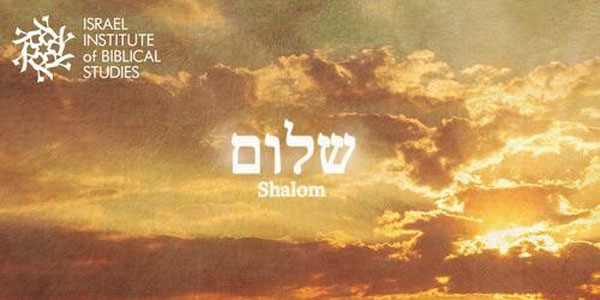
The Hebrew words uttered by Jesus were, “Shalom lakhem” (שָׁלוֹם לָכֶם).
“Shalom” means “peace” and comes from the root SLM (שלם) meaning “complete.” This is because peace is the ultimate state of wholeness. Another word that comes from this root is “shelem,” a type of temple sacrifice that expressed gratitude to God. Also called “the offering of well-being” (Leviticus 3:1), it symbolized a fellowship with the Lord through the shedding of blood.

Gain New Insight into Scripture
When Jesus greets his disciples with the words, “Shalom lakhem,” he is essentially telling them, “Don’t worry that my physical body was tortured. It was all for ultimate good of the world, for I am a ‘peace-offering unto you.’” Your understanding of the Bible is only truly whole once you grasp its Hebrew foundations.