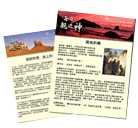
十灾的分析

出埃及记七章3-5节  我要使法老的心刚硬,也要在埃及地多行神蹟奇事。 但法老必不听你们,我要伸手重重地刑罚埃及,将我的军队以色列民从埃及地领出来。 我伸手攻击埃及,将以色列人从他们中间领出来的时候,埃及人就要知道我是耶和华。

经文段落:出埃及记 6:2–9:35

十灾的结构是一堂给法老必修的「上帝存在论证」的哲学课。

十灾的发生与启动,乃因耶和华欲回应法老在两件事上的「强烈否认」与「强硬拒绝」:

第一、耶和华是神。
第二、以色列作为父神耶和华「长子」的身分。(出埃及记4:22-23)

所以,耶和华要给法老,上一门非常「实际而具体」的哲学课,一堂关于「上帝存在论证」的必修课。

犹太人读十灾,发现到十灾有一个「精心设计」、「别具匠心」的工整结构。

首先、原则上,十灾以一种灾难等级「不断升高」、伤亡规模「渐次扩大」的型态来开展,由此,耶和华神得以向法老「强力证明」,谁才是那真正统管宇宙、掌管自然、运作人类历史的神。

Rise Above Complacency

Hi GAMErs,

Today’s passage is Revelation 3:1-6.  Let’s go!

Revelation 3:1-3 (NIV) 
1  “To the angel of the church in Sardis write: These are the words of him who holds the seven spirits of God and the seven stars. I know your deeds; you have a reputation of being alive, but you are dead.
2  Wake up! Strengthen what remains and is about to die, for I have not found your deeds complete in the sight of my God.
3  Remember, therefore, what you have received and heard; obey it, and repent. But if you do not wake up, I will come like a thief, and you will not know at what time I will come to you.

On verses 1-3:  Jesus’ next message is for the church in Sardis.  Sardis was a wealthy city that was strategically located on an important trade route.  Sardis was also a centre for religious activity, being the home of the temple of Artemis and also a Jewish synagogue.  Sardis was quite possibly the wealthiest and most famous of all the cities that Jesus addresses in Revelation 2 and 3.

加尔文的祷告

唐崇荣国际布道团网站近日上载一段视频「加尔文的祷告」,以此勉励信徒在新冠肺炎日子仍然确信上帝是牧者,带领信徒走过这场战疫。

宗教改革重要人物之一约翰·加尔文(John Calvin)强调,祷告占基督信仰一个很重要的席位。他提出祷告包含四方面的意义:

信徒祷告并不是要告知上帝一些祂不晓得的事情,催促上帝做一些祂不愿意做的事情。反之祷告能够提醒信徒去寻求神,透过默想神的应许实践信心,并且能够帮助信徒从焦虑中得到舒缓。

其次是祷告信徒借此领受父神给我们存留在天上的丰盛。第三,祷告也是神所预定的,但并非为祂而是为了信徒的好处。第四,在祷告中我们将神所应得的荣耀归给祂,并向祂献上敬拜,但同时也使我们获益。

在唐崇荣国际布道团「加尔文的祷告」(Prayer of John Calvin)视频中,主持人呼吁信徒每天抽时间祷告,为自己也为身边的弟兄姊妹代求,在这场瘟疫之中,让我们仍然能够看到上帝的慈爱超越一切的困难,盼望信徒一起学习全然信靠良善的上帝。

Jesus Your Perfect Judge

Hi GAMErs,

Today’s passage is Revelation 2:18-29.  Let’s go!

Revelation 2:18 (NIV) 
18  “To the angel of the church in Thyatira write: These are the words of the Son of God, whose eyes are like blazing fire and whose feet are like burnished bronze.

On verse 18:  Jesus’ next message is for the church in Thyatira, a small city known for its agriculture and purple dye (see Acts 16:14).  To the church in Thyatira, Jesus describes Himself as the Son of God, “whose eyes are like blazing fire and whose feet are like burnished bronze” (v18).  According to some scholars, eyes like blazing fire and feet like burnished bronze are pictures of judgment.  That’s because Jesus has some tough words to speak to the church in Thyatira.

He’s Everything You Need

Hi GAMErs,

Today’s passage is Revelation 2:8-17.   Let’s go!

Revelation 2:8 (NIV) 
8  “To the angel of the church in Smyrna write: These are the words of him who is the First and the Last, who died and came to life again.

On verse 8:  Smyrna was a wealthy port city, located about 35 miles north of Ephesus.  Jesus describes Himself once again as “the First and the Last”, meaning Jesus existed before anything else in creation came into being, and He is the only One who will remain when everything else is gone.  It all begins and ends with Jesus. 

Jesus is also the one “who died and came to life again” – more on that below.

On verse 9-11:   The church in Smyrna was going through a difficult time, as they were being persecuted for their faith by a certain group who claimed to be the true Jews but whom Jesus calls “a synagogue of Satan” (v9).  Based on Jesus’ words, things were going to get harder before they got easier.  More persecution was still to come.  As Jesus says, “the devil will put some of you in prison to test you, and you will suffer persecution for ten days” (v10).

容我的百姓去

创世记五章4节       我与他们坚定所立的约,要把他们寄居的迦南地赐给他们。

假如神呼召你去传福音,然后跟你说,你传福音不会有人相信。你还会去吗?摩西就是碰到了这样的处境,神叫他去见法老,而且神还要用大能的手帮忙,但是埃及王法老也还是不会听摩西的,也不会让以色列人离开。假如你是摩西,你会接这样的差事吗?

当神呼召摩西时,祂就说了: 「我知道虽用大能的手,埃及王也不容你们去。我必伸手在埃及中间施行我一切的奇事,攻击那地,然后他才容你们去。我必叫你们在埃及人眼前蒙恩,你们去的时候就不至于空手而去。(出3:19-21)」事情不容易,但是神有应许。

马礼逊宣教士到中国时才22岁,他抱着这样的信念:「求上帝将我置于困难最多,和从人类眼光中看来最难成功之布道区域中」来到中国。果然,他做了十年,才有一个人相信耶稣。但是他并不是在等人信耶稣,在十年中,他己着手翻译圣经。要回应神呼召的人就必须有这样的心志,正如主耶稣说的,要背起十字架跟随祂。这条路之难走是必然,但是神的应许都会应验,神的应许都是真实的。神不会让祂仆人的工作成为虚空。

因此虽然摩西要面对法老加诸的重担,以色列人的不满和怨言,他好像三明治中间的肉片,被两边夹得很辛苦,他却能在夹缝中仰望神的应许而不气馁,一而再,再而三去见法老;也不停地鼓励以色列人要仰望神的应许。因为神要开始做事了。我们有时也像摩西一样,处在人际关系的夹缝里,两邉不讨好,怎么做都不对,这样的难处,神都知道。只要我们仰望神,就能经历神的作为。

燃烧的荆棘

出埃及记三章14节  神对摩西说:「我是自有永有的。」又说:「你要对以色列人这样说:『那自有的打发我到你们这里来。』」

假如你还记得那场澳洲大火,从2019年年底烧到2020年年初,一共烧了约210天;还有B.C.省和加州去年前年夏季里的森林大火,烧到太阳看起来是红色的,空气里都是烟的味道,那真是一段令人谈到森林大火就心惊胆跳的回忆。森林大火一般都是因为过于干燥,有时也因为人为的疏忽,一点小小的火星就可以燎原。因此在山上看到有荆棘在燃烧时,摩西真是吃惊不小。

有天摩西带着岳父的羊上山找草吃,却忽然看到一棵在燃烧的荆棘,但是虽然有火,荆棘却没有被烧毁。摩西可能觉得自己眼睛有问题,便想上前观看。不料,荆棘里竟有声音叫他的名字:「摩西!摩西!」我觉得他的反应很可爱,他竟然回答:「我在这里。」我以为他会先问:「你是谁?」

神要摩西脱下脚上穿的鞋,并且告诉他所站之处是圣地。摩西在埃及也看过很多偶像,可是这是第一个跟他讲话的「神」。神自我介绍:「我是你父亲的神,是亚伯拉罕的神、以撒的神、雅各的神。」摩西一听,赶快把脸蒙上,不敢再看燃烧的荆棘,不敢看神。

神把祂的计划对摩西说了,摩西却不感兴趣。他曾经满腔热血,以为做埃及王子可以拯救以色列人,却没有想到才杀了一个埃及人,就付出了沉重的代价。现在他万念俱灰,再也没有雄情大志,以为要做牧羊人终老了。所以神叫他去见法老时,他说:「我是什么人?竟能去见法老,将以色列人从埃及领出来呢?」 

The Angel of the Church

Hi GAMErs,

Today’s passage is Revelation 2:1-7.  There are so many powerful lessons we can learn from this passage.  Let’s go!

Revelation 2:1 (NIV) 
1  “To the angel of the church in Ephesus write: These are the words of him who holds the seven stars in his right hand and walks among the seven golden lampstands:

On verse 1:  Starting in chapter 2 John records 7 messages from Jesus that he is told to send to 7 churches in the province of Asia.  The first message is for the church of Ephesus.  Notice that the way the message is worded is “To the angel of the church in Ephesus”.  Who is this angel?  The Greek word for angel here is angellos, which is mostly translated in the New Testament as “angel” but is sometimes translated as “messenger”.  Thus, according to some scholars, the two main possibilities for what the “angel” is referring to are: (1) the “angel” refers to an actual angelic being who supernaturally watches over the church; or (2) the “angel” refers to the pastor of the local church, who practically serves as a messenger, the one who delivers messages, to the church and who would likely be the one to receive and read out this particular message from Jesus to the church.

埃及王子

出埃及记二章22节  西坡拉生了一个儿子,摩西给他起名叫革舜,意思说:「因我在外邦做了寄居的。」

和所有以色列人不一样,当以色列人在做苦工,在烈日下流汗挨打被骂时,摩西在埃及宫庭里过著王子的生活。他是法老女儿收养的义子,名正言顺地得到王子的待遇。根据〈埃及王子Prince of Egypt〉这部电影的形容,法老当时还准备把王位传给他。可见他在埃及王宫里也得到各方面的教导,可以说是文武双全。

旧约圣经最前面五本书:创世记—出埃及记—利未记—民数记—申命记,都是摩西写的,所以称为摩西五经。这也让我们明白,为何神要让他在王宫里成长,因为他在王宫里才有可能受到最完备的教育,才有能力写下这五本十分重要的妥拉Torah (这是犹太人对摩西五经的称谓)。

但是他的骨子里流的还是希伯来人的血,以色列人也可称为希伯来人。就好像很多华人移民到了海外,心里总还觉得自己是家乡的人。意气飞扬的摩西王子有一天走出皇宫,走到被奴役的希伯来人中间,意外看到有一个埃及人在打一个希伯来人。那时奴隶是不敢还手的,即使有力气也不敢还手,只能挨打。摩西王子非常生气,但是他也很谨慎,先左右观看,才出手打死埃及人。不打死不行,打得半死,他回去会告状。摩西王子就惨了,他怎么可以帮希伯来人呢?他是埃及王子啊! 打死了还不行,还得找个地方快快把死人埋在沙里。埃及有很多沙漠地,要埋人很方便。摩西王子做完此事,心里十分得意,觉得帮族人争了一口气。

但是他万万没想到,这件事还是被人知道了。因为那个被欺负的希伯来人肯定回去跟大家说了,这可是一件很稀奇的事啊! 埃及王子竟然帮助一个希伯来人,除了摩西的原生家庭,可能也没有人知道他是希伯来人。这事一传十,十传百,在第二天他想调节两个希伯来人的纠纷时,那人就把这事抖出来,质问他是否又要杀人了。

Loving You With His Presence and His Words

Hi GAMErs,

Today’s passage is Revelation 1:9-20.  Let’s go!

Revelation 1:9-18 (NIV) 
9  I, John, your brother and companion in the suffering and kingdom and patient endurance that are ours in Jesus, was on the island of Patmos because of the word of God and the testimony of Jesus.
10  On the Lord’s Day I was in the Spirit, and I heard behind me a loud voice like a trumpet,
11  which said: “Write on a scroll what you see and send it to the seven churches: to Ephesus, Smyrna, Pergamum, Thyatira, Sardis, Philadelphia and Laodicea.”……

On verses 9-18:  John is in exile on the island of Patmos for preaching the Gospel (v9 – “because of the word of God and the testimony of Jesus”).  On Sunday (“the Lord’s Day”) he is praying deeply and sensing the presence of God (“in the Spirit” – v10) when he hears from behind him a voice like a trumpet telling him to write down on a scroll what he sees.  The voice behind John tells him to send what he writes down to the seven churches in the province of Asia (v11).  When John turns around to see who is speaking to him, he sees Jesus Christ (“someone ‘like a son of man’” – v13) standing among seven golden lampstands.  Jesus’ physical presence is awesome: fully white head and hair, eyes like blazing fire, feet like bronze in a furnace, voice like rushing waters, his face like the sun in its brilliance.