John 12:27 (NIV)
27 “Now my heart is troubled, and what shall I say? ‘Father, save me from this hour’? No, it was for this very reason I came to this hour.
On verse 27: Jesus was troubled by the prospect of dying, showing his real humanity (v27a). Yet rather than asking the Father to rescue him from having to die, Jesus reminds himself that that is why he came (v27b).
Taking a hint from Jesus, when I go through trouble or hardship, sometimes it helps to remind myself, “JB, it’s part of the calling. This is just part of living out the life God called you to live on this earth, so don’t cry and complain as if something strange were happening to you. This is what you were made for.” Let’s learn to boldly take on trouble Jesus’ way.
https://ocbf.ca/2019/wp-content/uploads/2021/03/21-0315.jpg300600meilinghttps://ocbf.ca/2019/wp-content/uploads/2018/12/greenlogo-1.pngmeiling2021-03-14 21:00:432021-03-14 17:34:24The Gift That Trouble Brings
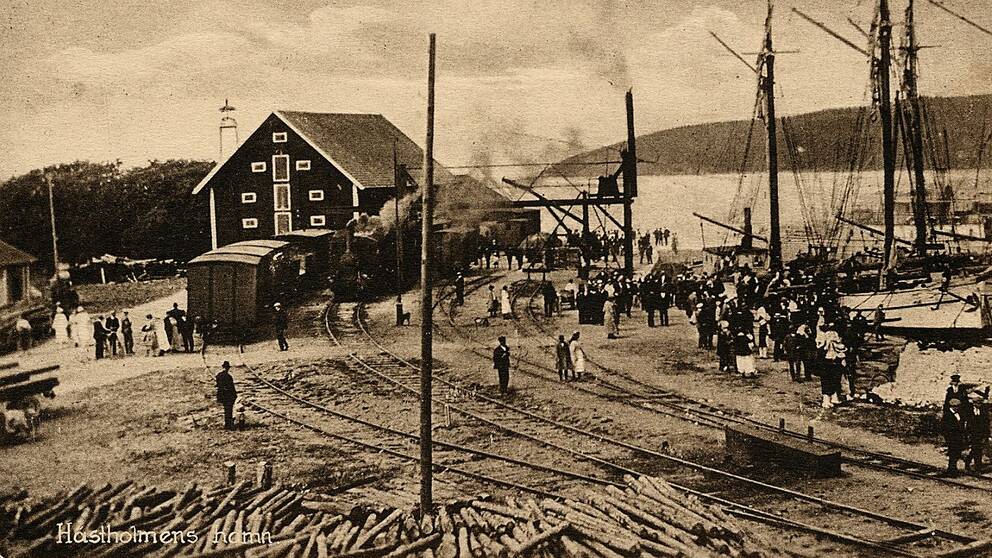
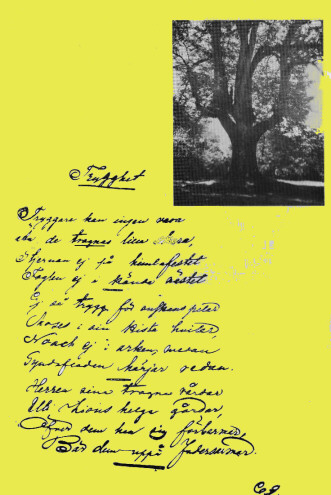
今天我在「病弱残疾者的诗歌」系列中要向大家介绍的这位圣诗作者,虽然出生于北欧之国 – 瑞典的一位女性,但她所写的诗歌却在十九世纪欧美各国先后兴起的基督教复兴运动中发挥了非常重要的作用。她本人也因此与同时代英国的夏洛特·埃利奥特(Charlotte Elliott)以及美国的芬妮.克罗斯比(Frances J. Crosby) 等著名圣诗作者一起,被列入教会史上杰出的女诗人行列。她就是莉娜·桑德尔(Lina Sandell 1832-1903 )。下面我就来讲述她的生平,以及她的代表作「每一天所度过的每一刻」(Day By Day,and with each passing moment)(以下简称“每一天”)背后的故事。
尽管莉娜的一生体弱多病,但是蒙主的恩典和眷顾,她还是活到七十一岁高龄时才归天家,比她的几个弟兄姐妹都要长寿。在她生命的最后一年里她所翻译的一首诗歌是「我的耶稣,我爱祢,祢是我的」(My Jesus, I Love Thee, I Know Thou Art Mine”)。其中第三节是:「哦,没有人,真的,没有人像祢一样地爱我;祢教我如何去爱,是的,以这样的方式爱祢;没有什么能再把我们分开,无论是现在,还是一直到永远。」
John 12:20-22 (NIV)
20 Now there were some Greeks among those who went up to worship at the Feast.
21 They came to Philip, who was from Bethsaida in Galilee, with a request. “Sir,” they said, “we would like to see Jesus.”
22 Philip went to tell Andrew; Andrew and Philip in turn told Jesus.
On verses 20-22: Here we see not just Jews but Greeks wanting to see Jesus. It’s a reminder that Jesus didn’t just come to be the long-awaited Messiah the Jews were waiting for. Even more Jesus came to be the saviour that the entire world needs. Jesus himself showed this when he would talk about having “other sheep that are not of this pen” that he must bring in also (John 15:16). He would show this again and again when he reached out to a Samaritan woman in John 4, a Roman centurion in Luke 7, and a Canaanite woman in Matthew 15:22. After Jesus’ resurrection Jesus would commission his disciples to go and make disciples of all nations, baptizing them in the name of the Father, Son and Holy Spirit (Matthew 28:19). Praise God! No matter what your background, nationality or culture, Jesus is the saviour we need.
https://ocbf.ca/2019/wp-content/uploads/2021/03/21-0313.png300600meilinghttps://ocbf.ca/2019/wp-content/uploads/2018/12/greenlogo-1.pngmeiling2021-03-12 22:00:482021-03-07 16:48:39The Savior We All Need
John 12:12-16 (NIV)
12 The next day the great crowd that had come for the Feast heard that Jesus was on his way to Jerusalem.
13 They took palm branches and went out to meet him, shouting, “Hosanna!” “Blessed is he who comes in the name of the Lord!” “Blessed is the King of Israel!”
14 Jesus found a young donkey and sat upon it, as it is written,
15 “Do not be afraid, O Daughter of Zion; see, your king is coming, seated on a donkey’s colt.”
16 At first his disciples did not understand all this. Only after Jesus was glorified did they realize that these things had been written about him and that they had done these things to him.
On verses 12-16: Here Jesus arrives in Jerusalem for the Feast of the Passover. His entrance is met with great fanfare from the massive crowd who were expecting him. Jesus’ entrance into Jerusalem is eye-catching for a number of reasons. First, Jesus is riding on a donkey (v14). Second, the people were greeting him with palm branches (v13). Why a donkey and why palm branches? Let’s look at that now.
There are at least two reasons Jesus rode into Jerusalem on a donkey.
https://ocbf.ca/2019/wp-content/uploads/2021/03/21-0312.jpg300600meilinghttps://ocbf.ca/2019/wp-content/uploads/2018/12/greenlogo-1.pngmeiling2021-03-11 22:00:162021-03-07 16:43:30Unstoppable Jesus
在印度有一句哲谚:“If you walk fast, walk alone ; If you walk far, walk together.”意谓一个人如果想走得快,只图眼前近利,大可一个人独来独往或单打独斗;若想走得远,走得稳,最好要有团队(Team work)观念,重视团队精神,找一些志同道合的伙伴长期合作。如此,无论是个人事业或企业经营,皆能长久。 职场上也流行一句话:「二十岁到三十岁,靠专业、靠体力;三十岁到四十岁,靠朋友、靠关系;四十岁到五十岁,只能靠钱了。」这些都讲到人与人之间的关系何等重要。
John 12:1-3 (NIV)
1 Six days before the Passover, Jesus arrived at Bethany, where Lazarus lived, whom Jesus had raised from the dead.
2 Here a dinner was given in Jesus’ honor. Martha served, while Lazarus was among those reclining at the table with him.
3 Then Mary took about a pint of pure nard, an expensive perfume; she poured it on Jesus’ feet and wiped his feet with her hair. And the house was filled with the fragrance of the perfume.
On verses 1-3: At Bethany, a small village just outside of Jerusalem to the southeast, Jesus is at a dinner given in his honor less than a week before Passover. At the dinner, Lazarus reclines, Martha serves, and Mary worships. To me this is a good picture of the church. It’s a place where you can rest like Lazarus, serve like Martha and worship like Mary.
Also, notice what happens when Mary pours the perfume on Jesus’ feet and wipes his feet with her hair: the fragrance of the perfume fills the whole house.
https://ocbf.ca/2019/wp-content/uploads/2021/03/21-0311a.jpg300600meilinghttps://ocbf.ca/2019/wp-content/uploads/2018/12/greenlogo-1.pngmeiling2021-03-10 22:00:522021-03-07 16:39:02What opportunity do you have today that you won’t have tomorrow?







 那是因为我认识的一位基督徒朋友看了我的文章后立刻给我打电话邀请我去教会;之后在他的建议下我完整地读完了远志明牧师的布道十二讲,接着便一个人决志祷告,愿意接受主耶稣为我的救主。之后我又翻出家中多年前一位朋友送我的圣经,打开的正好的《马太福音》第五章:耶稣登山向门徒论述天国的八福。当我读到其中的第二福是「哀恸的人有福了,因为他们必得安慰」时(“哀恸”这个词在英文版圣经是“Mourn”,牛津英汉双解词典的解释是:“尤指因某人的亡故而引起的哀悼和悲伤”),我完全被震撼住了!…..而我心灵的创伤也从那时起得到了彻底的医治。….