
Jesus Gets You Where You Can’t Go

Hi GAMErs,

Today’s passage is Leviticus 13:1-17.  Let’s go!

Leviticus 13:1-17 (NLT2)
1  The LORD said to Moses and Aaron,
2  “If anyone has a swelling or a rash or discolored skin that might develop into a serious skin disease, that person must be brought to Aaron the priest or to one of his sons.
3  The priest will examine the affected area of the skin. If the hair in the affected area has turned white and the problem appears to be more than skin-deep, it is a serious skin disease, and the priest who examines it must pronounce the person ceremonially unclean.
4  “But if the affected area of the skin is only a white discoloration and does not appear to be more than skin-deep, and if the hair on the spot has not turned white, the priest will quarantine the person for seven days…….

On verses 1-17:  What does it mean to be ceremonially unclean in Leviticus?  When someone is ceremonially unclean, it means that he or she, from a ceremonial worship standpoint, is unable to participate in the community worship activities of the Israelites for as long as he or she is “unclean”.  When the period of being “unclean” is over, that’s when he or she can then join the rest of the community in its community worship services.
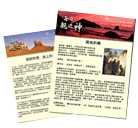
神对耶罗波安之审判

〈列王纪〉上14:11 凡属耶罗波安的人,死在城中的必被狗吃,死在田野的必被空中的鸟吃。这是耶和华说的。

阅读经文:〈列王纪 〉上  14:1-20 

耶罗波安是“不见棺材不流泪”的典型。神人去见他,他要抓神人;倘若不是他的手枯干了,他还不软下口来请神人为他祷告。可是神人为他祷告,让他的手痊愈后,他依然我行我素,根本不把神放在心里。现在他的儿子病了,他就想到先知亚希雅。神的祝福他都要,就是不要神。从《圣经》里,我们没有看到什么大道理,只是现实的人,实际的生命表现,人的内心借着所作所为的真实呈现。借着《圣经》里的每一个人,仿佛一面镜子,照出我们心里的耶罗波安。

耶罗安要他的妻子去找先知亚希雅,因为亚希雅曾告诉他:“你必做这民的王”。他把亚希雅放大了,觉得亚希雅很“神”,很有能力,他看不见亚希雅后面的神。是谁使亚希雅知道他要做王?是谁让亚希雅有这样的能力知道将来?我们很容易被“有能力”的人吸引,并且在无形中把他放大,却忘记了我们都是人,使人有能力的是谁?这样去想时,我们才不会被邪灵所欺骗。

此时的亚希雅已经年迈,因而眼睛看不见了。一个看不见的先知依然可以成耶罗波安的希望,那是因为神用他,神可以把任何事放进他的心里。因此改装的耶罗波安之妻也无法蒙骗这个瞎了眼的老人。保罗说:“属灵的人能看透万事,却没有一人能看透了他”(林前2:15),是因为圣灵参透万事,神又借着圣灵向人显明。是圣灵的运行,让亚希雅可以参透万事,在眼睛看不见的情况下,可以“看见”耶罗波安的妻子。不管我们怎样伪装,或是去整容,也逃不过神的眼睛。

You’re Rich Because Jesus Became Poor

Hi GAMErs,

Today’s passage is Leviticus 12:1-8.  Let’s go!

Leviticus 12:1-8 (NIV)
1  The LORD said to Moses,
2  “Say to the Israelites: ‘A woman who becomes pregnant and gives birth to a son will be ceremonially unclean for seven days, just as she is unclean during her monthly period.
3  On the eighth day the boy is to be circumcised.
4  Then the woman must wait thirty-three days to be purified from her bleeding. She must not touch anything sacred or go to the sanctuary until the days of her purification are over.
5  If she gives birth to a daughter, for two weeks the woman will be unclean, as during her period. Then she must wait sixty-six days to be purified from her bleeding…….

On verses 1-8:  Have you ever wondered what being ceremonially unclean really means? We’re going to look at this together tomorrow.

In the meantime, why is it that a woman is ceremonially unclean for only 7 days when she gives birth to a son whereas she is ceremonially unclean for two weeks when she gives birth to a daughter?  We don’t know for sure.  In any event, we can be confident that the differing periods of ceremonial uncleanness were NOT because a son was worth more than a daughter.  The fact that in verses 6-7 the same animal sacrifice is required whether the baby born is a son or daughter suggests that in God’s eyes baby boys and baby girls are of equal worth and value in God’s eyes.

神仆警告耶罗波安

〈列王纪〉上13:3 当日,神人设个预兆,说:「这坛必破裂,坛上的灰必倾撒,这是耶和华说的预兆。」

阅读经文:〈列王纪 〉上  13:1-33 

有的人总问,假如我们离弃神时,神还会与我们同在吗?从耶罗波安的例子来看,耶罗波安离弃神,而且做了那么多得罪神的事情,但是神并没有离弃他,神依然派神人去伯特利警告他,并且让他晓得有一天大卫的后裔约西亚会拆掉他所建的祭坛。这个预言在大约两百多年后,约西亚作王时应验了。约西亚将伯特利的坛拆毁焚烧,打碎成灰,他回头看见山上的坟墓,就打发人将坟墓里的骸骨取出来,烧在坛上,污秽了坛;又将丘坛的祭司都杀在坛上,并在坛上烧人的骨头。正如从前神人宣传耶和华的话(王下23:16/20)。

为了让耶罗波安相信那是神的预告,神人又说:“这坛必破裂,坛上的灰必倾撒,这是耶和华说的预兆。” 坛就破裂了,坛上的灰也倾撒了。但是耶罗波安有所警觉吗?他不但不予理会,还叫人去抓住神人。他伸出的手就枯干了。那是何等可怕的一刹那,他的手枯干了。他害怕了。这就是人心刚硬的一面,不等自己的身体受到惩罚不会服软。他一意孤行,想的只是不能让以色列人再去敬拜耶和华神,不然有一天他们都会离开他,他就不能再做王了。所以他要想尽办法去保留他的王权。这就是权势于人的影响。

许多人在没有权势之前,对神十分恭敬谦卑,一旦掌权便害怕失去,因而不再听神的话,只想用自己的办法抓住权势。那种害怕使他谁也不信,只信权势。这是一些领导者所面对的挑战,当他拥有了高高在上的权力时,他是否能记得自己依然只是个平凡的人?当我们成为团契的领导者,教会的领导者,主日学的领导者时,甚至是做了父母,我们是否能记得自己只是个人,那个位置是个恩典,为要让我们更看见自己的不足,而懂得向神寻求带领和智慧?有的人一旦坐上高位就变成狂人,所作所为都是为了巩固自己的位置,而忘记了给他位置的神。

耶罗波安陷民于罪

〈列王纪〉上12: 31  耶罗波安在丘坛那里建殿,将那不属利未人的凡民立为祭司。

阅读经文:〈列王纪 〉上  12:20-33 

在所罗门王去世后,本来罗波安要往示剑去,因为以色列人都到了示剑,要立他做王(王上12:1)。没有想到以色列的百姓背叛他,打死他派去的亚多兰,他只好逃回耶路撒冷。后来反而是耶罗波安在示剑称王。人生的变化有时和我们的计划是不一样的。罗波安没有想到他会失去十个支派,只成了犹大和便雅悯支派的王;耶罗波安也没有想到他是一个寡妇的儿子可以变成以色列王,但是他对此有感激之心吗?

华人在海外吃自助餐的形象曾经不是很好,因为贪心拿太多,吃不完就浪费了。这种习惯是不是因为以前曾经饿肚子,所以现在看到食物就恨不得一口气把它们都吃下去,以后两三年都不用愁?耶罗波安很可能也有这样的忧心情结。小时候在单亲家庭长大,是否经常被人欺负?因而发奋图强,终于被所罗门王看上,出人头地。没想到被先知预言为王的事被所罗门王知道后要杀他,只好逃到埃及。现在终于做了以色列王,在万人之上,何等荣耀的时刻。但是他的心里升起的却不是对神的感恩,而是唯恐失去的恐惧。

他的第一个念头是:“恐怕这国仍归大卫家。这民若上耶路撒冷去,在耶和华的殿里献祭,他们的心必归向他们的主犹大王罗波安,就把我杀了,仍归犹大王罗波安。”他没有安全感,因为他对神的认识太肤浅了。不然,就是他忘了先知对他说的话,也忘了这个国家是神交付他的,反而以为这是他自己努力得来的。一个没有安全感,不认识神的人,就会经常活在恐惧和嫉妒、猜疑之中。因为他们总以为只能用自己的能力去把握住自己的一切,他们害怕失去。所以一个认识神的信实之人,就不会患得患失,这种自信来自于对神的信心。因为认识神,才会产生信心。你对神的认识有多少,你的信心就有多大。

Learning to Trust Even When You Don’t Understand

Today’s passage is Leviticus 11:1-47.  Let’s go!

Leviticus 11:1-47 (NIV)
1  The LORD said to Moses and Aaron,
2  “Say to the Israelites: ‘Of all the animals that live on land, these are the ones you may eat:
3  You may eat any animal that has a split hoof completely divided and that chews the cud.
4  “‘There are some that only chew the cud or only have a split hoof, but you must not eat them. The camel, though it chews the cud, does not have a split hoof; it is ceremonially unclean for you.
5  The coney, though it chews the cud, does not have a split hoof; it is unclean for you.
6  The rabbit, though it chews the cud, does not have a split hoof; it is unclean for you…….

On verses 1-47:  What was God’s criteria for determining that certain creatures were clean and permissible for the Israelites to eat while calling other creatures unclean and forbidden to eat?  Over the centuries people have tried to come up with different explanations, but it seems that the best explanation for why certain animals were considered clean and certain animals were unclean is simply this:  God said so.  In other words, it wasn’t necessarily because there was anything inherently wrong, evil, inferior or dangerous about the “unclean” animals or anything especially good, healthy or beneficial about the “clean” animals.  Rather, it was simply a distinction God in His wisdom chose to make and expected the Israelites to follow.

What can we learn from this?  The first lesson is that sometimes God will tell us to do something where we do not or cannot understand His reasons why.  That is where faith and humility come in. Instead of insisting that we must understand or agree with God’s reasoning before we will obey, we are to trust God that He knows better than we do.  Our obedience to God’s commands is not conditional on our understanding of God’s commands.

《圣经中各种审判》6 — 对雅各与利百加的审判

上帝主权的预定

上帝对以扫的审判是一件令人感到非常害怕的事。同样是以撒所生的儿子,这两个儿子还没有生出来以前,两个人还没有任何行为、动作,上帝说:「我爱雅各,我恨以扫」,这不是上帝的偏待,而是上帝按祂绝对的主权与智慧所定的,我们无法完全理解,也不能改变上帝的主权,上帝这个决定是建立在祂永恒的主权上。如果我们说上帝这样不公义,你这样是否定上帝的主权与智慧。在事情发展以后,你发现很多人为的因素是人没有看见的,上帝早就知道。这无穷的智慧与绝对的主权、神决定的事情,是超现象所能看见的。关于圣经的预定论、主权论,上帝按祂意志的自由所定之事的奥祕,引起很多人认为自己比上帝智慧,认为上帝是错的,但事实不是如此。历史的过程显明人的错误。上帝不接纳该隐的祭物,接纳亚伯的祭物,该隐就发脾气,用强健的体力把弟弟杀死,并且向上帝强嘴说:「我岂是看顾我兄弟的吗?」上帝回答亚伯说:「如果你行得好,我难道不会接纳你所献的祭吗?罪正等待向你扑面而来,你要制服罪对你的辖制。你若行得好,我会接纳你;你若行得不好,你要制服罪。」这表示人在道德上,应该有行善的主动,否则的话,罪不会让你平安度过。人应当制服罪恶。

恩典是在神的主权范围下 审判是在人的行为范围下

这不是因为恩典的问题,而是因为罪恶的问题。蒙恩是出于神的主动,神的怜悯不是出于人的行为、人的功劳,更不是人所应当得的。我们明白这两件事的关系:在犯罪的事情,人是主动;在审判的事情上,上帝是主动的;在蒙恩的事情上,人是被动的;在施恩的事情上,上帝是主动的。上帝对该隐说:「你若行得好,岂不蒙悦纳?但你今天行得不好,是因为你是罪人。我今天施恩给亚伯,不是你可以干预的事情。」上帝为什么在雅各以及以扫生下之前,就说:「我爱雅各,我恨以扫」?以扫的行为实实在在不蒙上帝悦纳。雅各蒙恩是因神的主权,以撒被弃是因自己的罪。管教与审判是完全不同的范围。希伯来书第九章说:「基督既然一次被献,担当了多人的罪,将来要向那等候他的人第二次显现,并与罪无关。」(来9:28)罗马书说:「我要怜悯谁就怜悯谁,要恩待谁就恩待谁。」(罗9:15 )人得救,不是出于人的权柄、资格,也是不靠着人的行为,因为人若按上帝的公义受审判,是应当下地狱的,但是上帝要把恩典赐给一些人,人不能干预神的主权。在审判的事情上,是照着人的行为应当受的审判来审判。神的恩典是祂主权的范围,神的审判是人犯罪的范围。圣经告诉我们上帝的恩典与审判是照着两个不同的范围,让我们看清楚神工作的范围是什么。

Don’t Impair Your Judgment

Hi GAMErs,

Today’s passage is Leviticus 10:8-20.  Let’s go!

Leviticus 10:8-11 (NIV)
8  Then the LORD said to Aaron,
9  “You and your sons are not to drink wine or other fermented drink whenever you go into the Tent of Meeting, or you will die. This is a lasting ordinance for the generations to come.
10  You must distinguish between the holy and the common, between the unclean and the clean,
11  and you must teach the Israelites all the decrees the LORD has given them through Moses.”

On verses 8-11:  Why did God tell Aaron in verses 8-9 that he and his sons must not drink wine when they go to meet with Him in the Tent of Meeting?  It’s because as priests Aaron and his sons could not afford to have their judgment impaired by anything, including alcohol.  As worship leaders, they needed a clear mind to distinguish what God considered clean from what God considered unclean (verse 10).  As teachers of God’s decrees, they needed a clear mind to instruct the people wisely and effectively (verse 11).  

In fact, yesterday in Leviticus 10:1-2, we read about a lapse in judgment by Aaron’s sons Nadab and Abihu.  Was that lapse of judgment because Nadab and Abihu were drunk on wine while they served in the worship service?  It’s not clear.  

罗波安和耶罗波安

〈列王纪〉上12:15  王不肯依从百姓,这事乃出于耶和华,为要应验他藉示罗人亚希雅对尼八的儿子耶罗波安所说的话。

阅读经文:〈列王纪 〉上  12:1-19 

在罗波安尚未做王时,要被按立之前,他碰到一个很大的考验。罗波安,所罗门的儿子,在王宫中长大的王子,享受了大半生的荣华富贵。他能明白民生的疾苦吗?耶罗波安,一个寡妇的儿子,殷勤工作而得到所罗门的赏赐,成为管理所有以色列家工程的总管,他对于百姓的理解又如何?当所罗门过世之后,以色列人去埃及请耶罗波安回来,可见在百姓心中,耶罗波安是他们推举的领袖,也是可以替他们说话的人。百姓请耶罗波安去见罗波安,希望罗波安可以减轻他们的重担。可见所罗门做了四十年的王,老百姓也干了四十年的苦工杂役,实在苦不堪言。所罗门忙着建设各样的工事,以及后宫的享乐,却没有想到百姓已经叫苦连天。

大卫交待下来的只是建造圣殿,只用了七年的时间,其他的时间都是为了所罗门的宫殿,以及成就所罗门的野心和王室的欲望。只是奴役百姓,却没有付代价的工作,百姓怎能不叫苦连天?在〈撒母耳记〉第八章,神已经警告以色列人:「管辖你们的王必这样行,他必派你们的儿子为他赶车,跟马,奔走在车前;又派他们做千夫长、五十夫长,为他耕种田地,收割庄稼,打造军器和车上的器械。必取你们的女儿为他制造香膏,做饭烤饼。也必取你们最好的田地、葡萄园、橄榄园赐给他的臣仆。你们的粮食和葡萄园所出的,他必取十分之一给他的太监和臣仆。又必取你们的仆人婢女,健壮的少年人和你们的驴,供他的差役。你们的羊群他必取十分之一,你们也必做他的仆人。那时你们必因所选的王哀求耶和华,耶和华却不应允你们。」所罗门所取之于百姓的,比神所形容的更有过之而无不及。

When Our Plans Backfire

Hi GAMErs,

Today’s passage is Leviticus 10:1-7.  Let’s go!

Leviticus 10:1-2 (NIV)
1  Aaron’s sons Nadab and Abihu took their censers, put fire in them and added incense; and they offered unauthorized fire before the LORD, contrary to his command.
2  So fire came out from the presence of the LORD and consumed them, and they died before the LORD.

On verses 1-2:  In Leviticus 9, we saw that when the Israelites assembled together and collectively acknowledged their sin, and when Aaron the high priest painstakingly obeyed God in giving the required offerings and had a heart to bless the people, that’s when the glory of the Lord appeared to them all.  Fire from God’s presence, representing God’s favour and blessing, consumed the offerings.  In other words, what led to God powerfully showing up among His people was unity and humility on the part of the people, and obedience and a heart to bless on the part of the high priest.  And when God showed up, the people rejoiced and fell down in worship.

Isn’t that the result every church leader wants?  Don’t we all want God’s glory to show up and for everyone at church to rejoice and fall down in worship?  But Leviticus 10 teaches us an important lesson: HOW you get there is important.