Leviticus 23:1-14 (NIV)
1 The LORD said to Moses,
2 “Speak to the Israelites and say to them: ‘These are my appointed feasts, the appointed feasts of the LORD, which you are to proclaim as sacred assemblies.
3 “‘There are six days when you may work, but the seventh day is a Sabbath of rest, a day of sacred assembly. You are not to do any work; wherever you live, it is a Sabbath to the LORD.
4 “‘These are the LORD’s appointed feasts, the sacred assemblies you are to proclaim at their appointed times:
5 The LORD’s Passover begins at twilight on the fourteenth day of the first month. ……
On verses 1-14: When you read in Leviticus 23of all the various feasts that God told the Israelites to observe, let it be a reminder that God loves to party. Notice that in Leviticus 23God doesn’t tell the people to stop and complain about everything that’s wrong with their life or wrong with the world. (That’s something we do quite naturally without anybody telling us.) Instead, God tells the people to stop what they’re doing and celebrate! It’s like God’s saying, “Focus on the good things I have done in your life and have a celebration.” In fact, God is so much about celebrating that He tells His people to schedule it into their calendars.
Certainly there are times we need to weep and mourn (Ecclesiastes 3:1-4), but as our lifestyle and as a daily habit, the God of the Bible much prefers that we rejoice always and celebrate (give thanks) in all circumstances (1Thessalonians 5:18).
https://ocbf.ca/2019/wp-content/uploads/2021/11/21-1108.jpg300600meilinghttps://ocbf.ca/2019/wp-content/uploads/2018/12/greenlogo-1.pngmeiling2021-11-07 22:00:362021-11-04 23:01:19Time To Party
Leviticus 22:17-25 (NIV)
17 The LORD said to Moses,
18 “Speak to Aaron and his sons and to all the Israelites and say to them: ‘If any of you–either an Israelite or an alien living in Israel–presents a gift for a burnt offering to the LORD, either to fulfill a vow or as a freewill offering,
19 you must present a male without defect from the cattle, sheep or goats in order that it may be accepted on your behalf.
20 Do not bring anything with a defect, because it will not be accepted on your behalf. ……
On verses 17-25: Once again we see that God’s holiness requires that almost all sacrifices need to be without defects in order to be acceptable in God’s sight. This reminds me that:
– When we serve God, let’s give God our very best – not the leftovers, but the first portion.
– While we were unable to give God a perfect offering because we ourselves are not perfect, God would send His perfect Son Jesus to be the perfect atoning sacrifice for us.
When food is left over, it spoils. By eating all the thanksgiving food right away and completely, we keep it from spoiling. In the same way, when we don’t give thanks to God right away and completely, our thanksgiving “spoils”. That is, over time we will be tempted to explain away God’s hand on our lives, giving the credit to ourselves, attributing it to our own efforts or to luck or to coincidence, or simply forgetting altogether that anything good happened. Don’t let your thanksgiving spoil. Don’t ziplock it and save it for another day. Instead offer your thanks to God right away and completely.
https://ocbf.ca/2019/wp-content/uploads/2021/11/21-1106.jpg300600meilinghttps://ocbf.ca/2019/wp-content/uploads/2018/12/greenlogo-1.pngmeiling2021-11-05 22:00:022021-10-29 22:08:16Gratitude Is Food For Your Soul
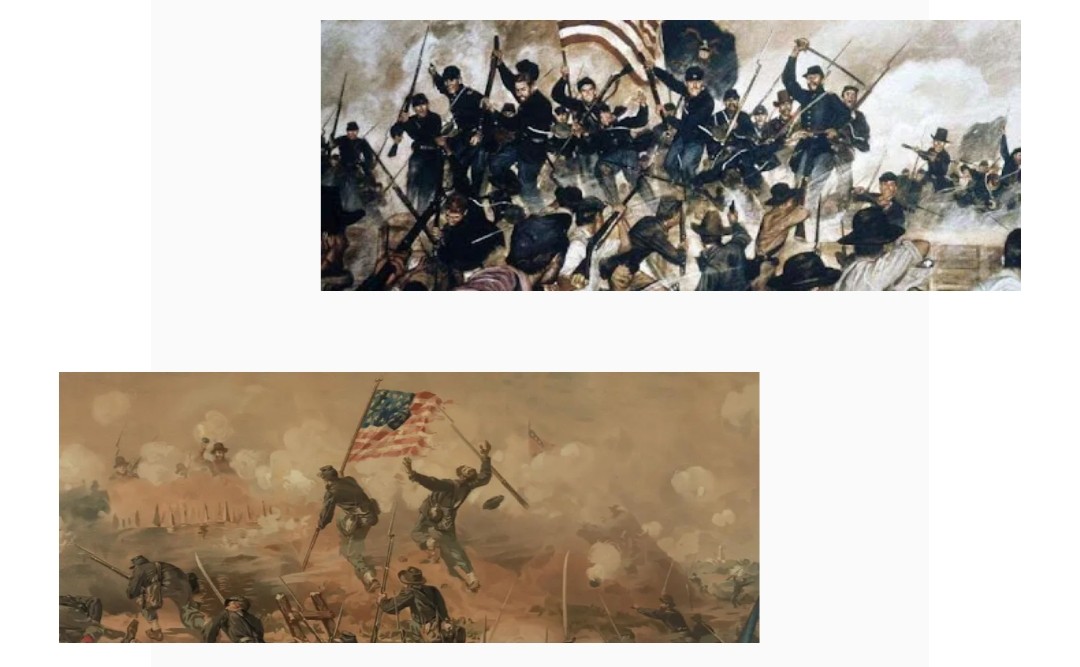
今天我们要介绍的这位主角丹尼尔·韦伯斯特·怀特(Daniel Webster Whitte,以下简称“丹尼尔”)1840年11月22日出生于美国马萨诸塞州的契科彼瀑布(Chicopee Fall)。他出生的那个月正好是美国新诞生不久的辉格党(Whig Party)总统候选人威廉·亨利·哈里森(William Henry Harrison),击败在任的民主党总统马丁·范布伦(Martin V. Buren),赢得美国第九届总统选战胜利的关键时间。丹尼尔的父亲因为特别崇敬那位协助哈里森打赢选战,后来担任总统国务卿的著名律师丹尼尔·韦伯斯特(Daniel Webster),特地给儿子取了与前者一样的名字,也叫丹尼尔·韦伯斯特,希望有朝一日儿子也能成为像他这样有出息的一个政治家;但他的母亲却是一位虔诚的基督徒,只希望自己的孩子将来成为一个被神所用的人。
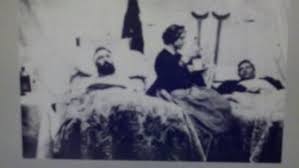
后来丹尼尔的人生发展也确实如此,战争结束后丹尼尔作为一名英雄凯旋回到了家乡芝加哥。许多地方都纷纷邀请他去为民众做战斗经历报告,大家也都按他在部队里因赫赫战功而晋升的军衔继续称呼他为“怀特少校”;之后他入职于一家大公司,并在那里一直做到财务主管的位置。这时候的他,在众人的眼里显然已经属于功成名就,前途似锦之人。可就在1873年,他毅然放弃了所有的一切,蒙召加入到同在芝加哥的著名布道家穆迪(D. L. Moody)的团队,成为一名全职的传道人。
丹尼尔加入到穆迪团队后参与的工作是多方面的,其中重要的一项就是福音音乐事奉。他在年轻时就因为有一副男高音的好嗓音而名声在外,但在穆迪团队里,他除了在诗班唱歌也开始尝试圣诗的创作。这时候的丹尼尔已人到中年,以往的学历也只有中学毕业,外加右手残疾,只能靠左手来写作,但神却大大地使用他,让这位曾经是拿枪杆子的战斗英雄成功地转化为一名多产的优秀诗人。经他所创作的赞美诗歌中有许多首成为经典,其中包括我们大家熟悉的《基督活在我心》( Christ Liveth In Me)、《恩雨大降》(There Shall Be Showers of Blessing)、《高举主旗》(The Banner of the Cross),《时刻蒙恩》(Movement by movement),以及今天我要介绍的这首《我知我所信的是谁》(I Know Whom I Have believed) 等。
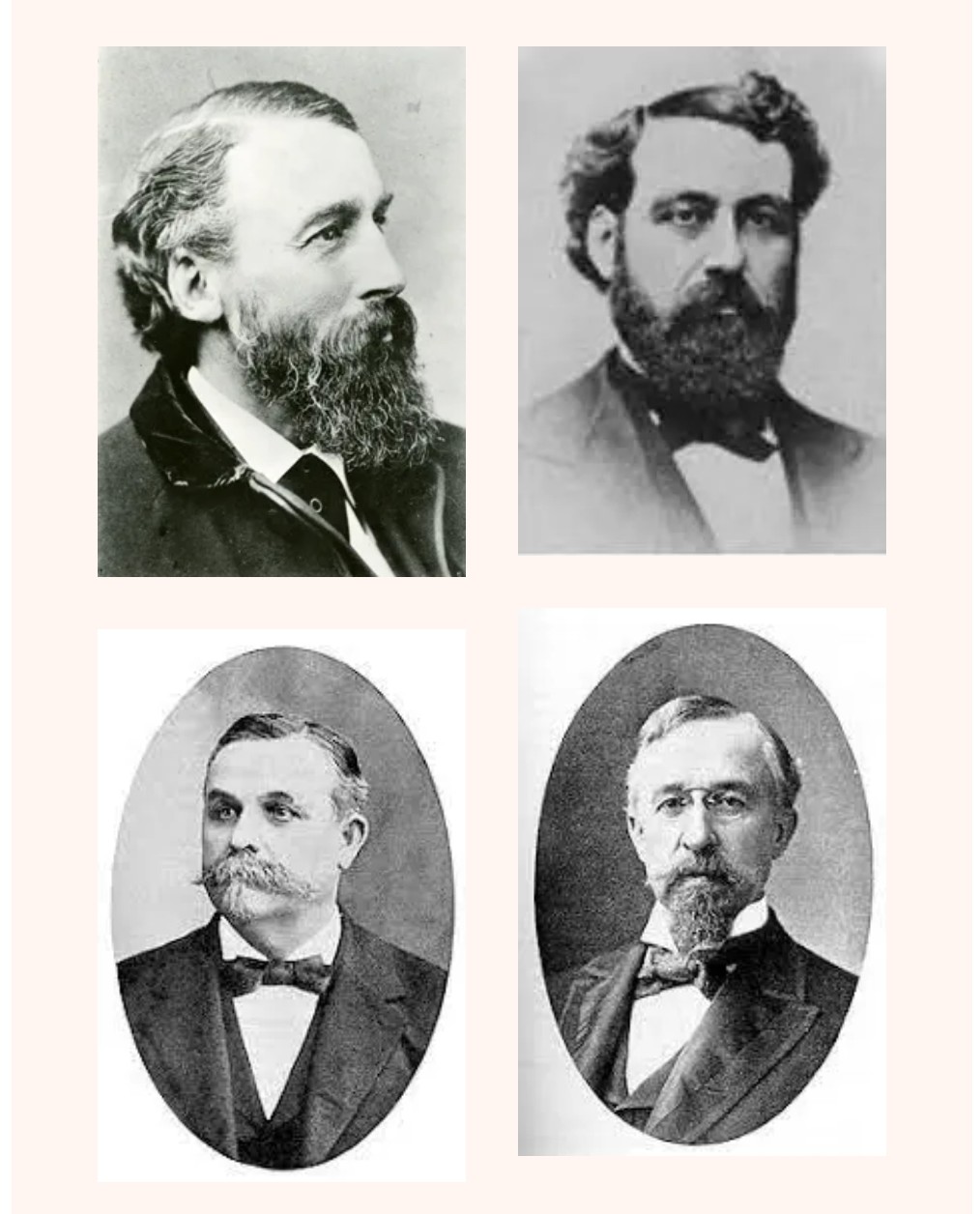
当然,作为赞美诗作者的丹尼尔无疑是幸运的,因为他得天独厚在所事奉的穆迪团队里就现成有着许多著名的音乐家。先后为他所写的诗歌配曲的名家包括:写过《我心灵得安宁》(It is well with my soul)、《哈利路亚,奇妙救主!》(Hallelujah! What a Savior!)、《耶稣爱我》(Jesus Loves Me)等名曲的菲利普·保罗·贝力斯 (Philip Paul Bliss),和曾经为《耶稣我来》(Jesus, I Come》、《歌颂救赎主》(I Will Sing of My Redeemer)等诗歌谱曲的詹姆斯·麦格拉纳汉(James McGranahan),以及作为诗歌《我知我救赎者活着》(I Know That My Redeemer Lives)、《耶稣今召你》 (Jesus is Calling) 《复兴主工 》(Revive Thy Work, O Lord! )谱曲者的乔治·科尔斯·斯特宾斯(George Coles Stebbin)。他们都是那个时代大名鼎鼎的圣乐家。而为丹尼尔这首代表作《我知我所信的是谁》谱曲的就是其中的詹姆斯·麦格拉纳汉。
Leviticus 21:1-4 (NIV)
1 The LORD said to Moses, “Speak to the priests, the sons of Aaron, and say to them: ‘A priest must not make himself ceremonially unclean for any of his people who die,
2 except for a close relative, such as his mother or father, his son or daughter, his brother,
3 or an unmarried sister who is dependent on him since she has no husband–for her he may make himself unclean.
4 He must not make himself unclean for people related to him by marriage, and so defile himself.
On verses 1-4: Leviticus 21:1-4 says that a priest could not touch or get near a dead person unless that person was a close relative, lest he become ceremonially unclean himself and unable to approach God. Amazingly, in contrast, in the gospels we see Jesus’ touching dead people and making them alive. Rather than Jesus being negatively affected by other people’s “deadness”, Jesus’ “aliveness” made dead people come to life. In Jesus Christ we have a high priest like no other.
Leviticus 21:5-6 (NIV)
5 “‘Priests must not shave their heads or shave off the edges of their beards or cut their bodies.
6 They must be holy to their God and must not profane the name of their God. Because they present the offerings made to the LORD by fire, the food of their God, they are to be holy.
Leviticus 19:23-25 (NIV)
23 “‘When you enter the land and plant any kind of fruit tree, regard its fruit as forbidden. For three years you are to consider it forbidden; it must not be eaten.
24 In the fourth year all its fruit will be holy, an offering of praise to the LORD.
25 But in the fifth year you may eat its fruit. In this way your harvest will be increased. I am the LORD your God.
On verses 23-25: Why would God forbid the Israelites from eating the fruit from a fruit tree they planted for the first three years? Isn’t this a waste? Why is God depriving His own people of food? God’s purpose was not to deprive His people but opposite: so that “your harvest will be increased” (v25). Apparently, according to some horticulturists, fruit trees that are not stripped of their fruit in their first few years but are maintained with care have the ability to produce much more fruit in subsequent years.
What can we learn from this? When God is seemingly depriving you or keeping you from enjoying a blessing, it’s not to be cruel to you but ultimately to bless you. Also, the fact that the Israelites were told to give the fourth year’s harvest to the Lord before eating of the fruit themselves suggests one more truth: that the land that the Israelites were going to live in ultimately does not belong to them but to God. It’s a reminder for us that whatever we think we own actually belongs to God. We are just stewards and trustees of what God has given to us.
https://ocbf.ca/2019/wp-content/uploads/2021/11/21-1104.png300600meilinghttps://ocbf.ca/2019/wp-content/uploads/2018/12/greenlogo-1.pngmeiling2021-11-03 22:00:272021-10-29 21:52:57God Makes Laws For Our Good
Leviticus 19:11-22 (NIV)
11 “‘Do not steal. “‘Do not lie. “‘Do not deceive one another.
12 “‘Do not swear falsely by my name and so profane the name of your God. I am the LORD.
13 “‘Do not defraud your neighbor or rob him. “‘Do not hold back the wages of a hired man overnight.
14 “‘Do not curse the deaf or put a stumbling block in front of the blind, but fear your God. I am the LORD.
15 “‘Do not pervert justice; do not show partiality to the poor or favoritism to the great, but judge your neighbor fairly…….
On verses 11-22: What do we do with a passage like Leviticus 19:11-22? On one hand, the first half (verses 11-18) lists commands that are easy for us to understand and that we can easily see applying just as much today as in Moses’ time: do not steal, do not lie, do not pervert justice, do not slander others, etc. You’ll find that in verses 11-18, every other verse is punctuated with the statement “I am the LORD”, encouraging us to remember who it is who gives these commands and who it is we are accountable to – not just anyone, but God Himself.
But then in the second half (verses 19-22) we come across commands that may sound strange and foreign to us. For example, verse 19 says to not plant two kinds of seed in the same field. Is it wrong for you to plant tomatoes AND cucumbers in your backyard? And how about this: do not wear clothing woven with two kinds of material (verse 19)? Is God offended if I wear a shirt that is 50% cotton and 50% polyester?
https://ocbf.ca/2019/wp-content/uploads/2021/11/21-1103a.jpg300600meilinghttps://ocbf.ca/2019/wp-content/uploads/2018/12/greenlogo-1.pngmeiling2021-11-02 22:00:542021-10-29 21:53:48Do All the Regulations in Leviticus Apply to Christians Today